Top 5 Weight Loss Clinics and Treatments in Manchester (2026 Update)

Finding the right weight loss clinic in Manchester is not as simple as a Google search and a phone call. The options range from pharmacist-led community clinics to private hospital groups, and the differences in approach, access, and clinical oversight matter more than most people realise.

This guide covers five credible weight loss clinics and treatments in Manchester for 2026. Each has been assessed on service range, local accessibility, clinical model, and suitability for different patient types.

What to Look for in a Weight Loss Clinic in Manchester

Before choosing a provider, consider these factors:

Clinical oversight: Is your care led by a pharmacist, GP, or specialist?

Treatment options: Do they offer GLP-1 injections (e.g. Wegovy, Mounjaro), dietary support, or behavioural coaching?
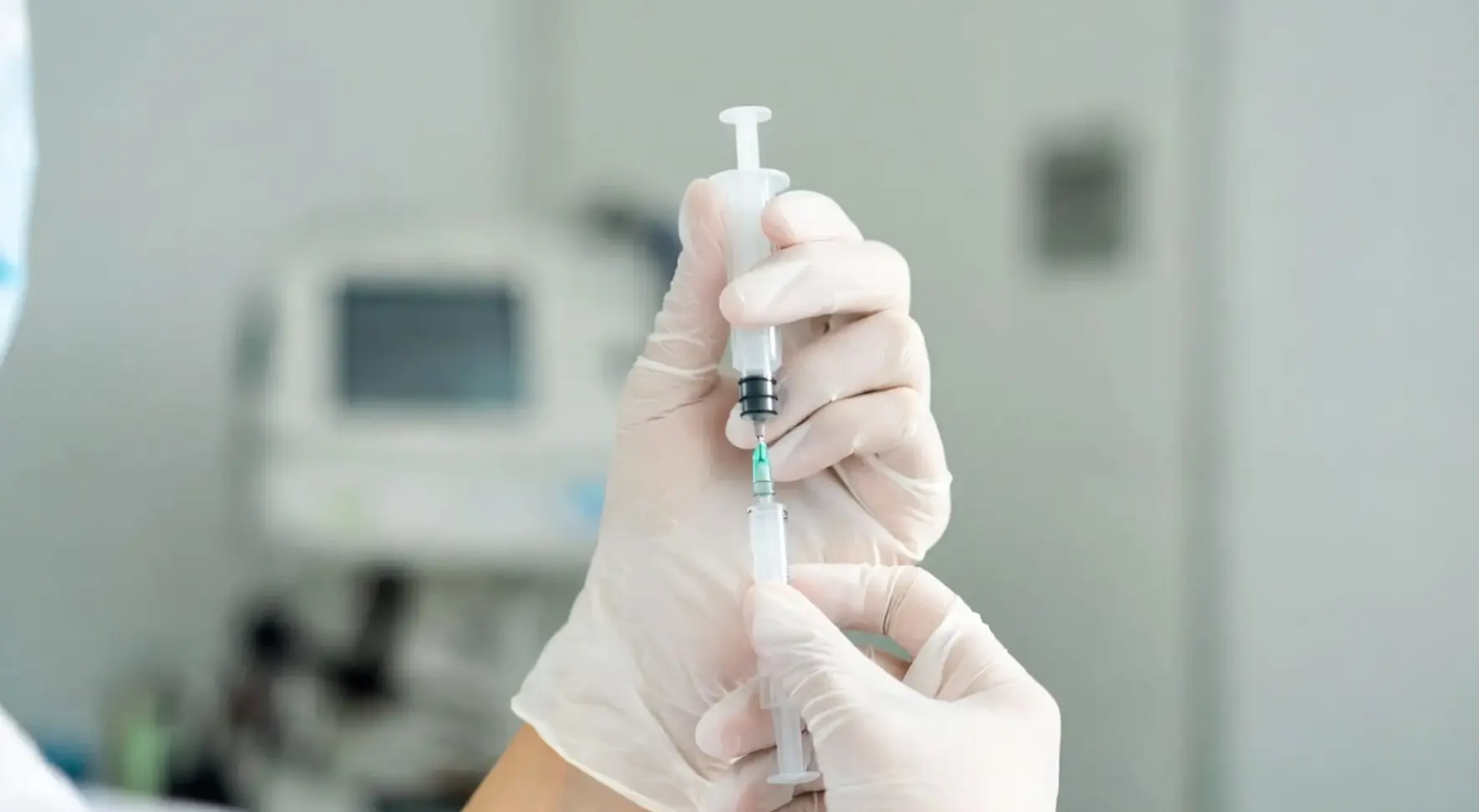
GLP-1 weight loss injection treatment being prepared at a Manchester weight loss clinic

Access: How quickly can you get an appointment? Is the location practical for you?

Continuity: Will you see the same clinician across your programme?

Cost transparency: Are prices stated upfront, or are you pushed into packages?

5 Best Weight Loss Clinics and Treatments in Manchester

1. Higher Crumpsall Pharmacy

Pharmacist conducting a weight loss consultation at Higher Crumpsall Pharmacy in Manchester

Location: Crumpsall, North Manchester (also serving Middleton and surrounding areas)

Website: highercrumpsallpharmacy.co.uk

Higher Crumpsall Pharmacy offers pharmacist-led weight loss management delivered from a regulated, community healthcare setting. Their programme is built around medically supervised treatment, which includes GLP-1 receptor agonist injections alongside ongoing clinical monitoring.

What distinguishes this clinic from most private providers is the combination of NHS-registered pharmacist oversight, genuine local accessibility, and a joined-up approach to patient care. Rather than a transactional one-consultation model, the team provides structured follow-up throughout your treatment plan.

They also serve patients in Middleton, via their weight loss clinic in Middleton, expanding access across North Manchester without requiring travel into the city centre.

Key treatments and services:

  • GLP-1 weight loss injections (including Mounjaro and Wegovy pathways)
  • Personalised weight loss planning
  • Ongoing pharmacist-led clinical review
  • NHS Pharmacy First service integration
  • Hypertension screening alongside weight management

Unique advantage: Pharmacist-led care in a regulated community setting means clinical decisions are made by a qualified healthcare professional you can see in person, not a remote prescriber behind a web form. Their understanding of how weight interacts with other conditions (blood pressure, medications, metabolic health) adds a layer of clinical depth that standalone weight loss clinics often lack.

Best for: Adults in North Manchester looking for medically supervised weight loss with accessible, face-to-face support, particularly those managing other health conditions alongside their weight.

Pricing signal: Private weight loss injection programmes are available. Contact the clinic directly for current pricing.

Consultation type: In-person consultation with a pharmacist.

To learn more about how they structure our programme, visit their dedicated weight loss management page or read their expert guide to weight loss management in Crumpsall.

2. Bodyline Clinic

Location: Multiple sites across Greater Manchester

Website: bodylineclinic.com

Bodyline is one of the longer-established private weight loss clinics operating in Greater Manchester. They have built their model around a combination of medical weight loss injections, doctor-led consultations, and lifestyle support.

Their clinic network covers multiple Greater Manchester locations, which makes them a practical option for patients who want a dedicated weight loss clinic rather than a pharmacy or hospital setting.

Key treatments and services:

  • GLP-1 injections (Saxenda, Wegovy, Mounjaro)
  • Doctor-led consultations and prescription management
  • Nutritional guidance
  • Ongoing patient monitoring

Unique advantage: Bodyline offers a dedicated weight loss clinic environment with a multi-location footprint across Greater Manchester, which can suit patients who prefer a specialist weight loss setting over a general pharmacy or hospital.

Best for: Patients wanting a private, specialist-only weight loss environment with doctor-led prescribing and multiple appointment location options.

Consultation type: In-clinic and remote consultation options available

3. Trafford LCO (Local Care Organisation)

Location: Trafford, Greater Manchester

Website: traffordlco.org

Trafford LCO represents a community health model with weight management sitting within a broader programme of integrated NHS care. Their approach to weight management is rooted in clinical pathways that connect weight loss support with wider health improvement, including diabetes prevention, mental health, and cardiovascular risk reduction.

For patients who prefer NHS-linked care and a multidisciplinary team approach, Trafford LCO is a relevant option, particularly for those with complex health needs.

Key treatments and services:

  • NHS-linked weight management programmes
  • Tier 2 lifestyle intervention services
  • Referral pathways to specialist Tier 3 and Tier 4 obesity services
  • Integrated support for comorbidities (diabetes, hypertension, cardiovascular risk)

Unique advantage: The integration of weight management within a wider NHS care structure means patients with multiple conditions benefit from a coordinated, not siloed, approach to their health.

Best for: Trafford residents looking for NHS-connected weight management support, especially those with underlying health conditions requiring a multi-team approach.

Consultation type: GP referral or self-referral depending on programme

4. Spire Healthcare Manchester

Location: Didsbury, South Manchester

Website: spirehealthcare.com

Spire Healthcare operates one of Manchester’s most recognised private hospital sites in Didsbury. Their weight management services sit within a broader medical framework that includes bariatric surgery, specialist physician consultations, and diagnostics.

For patients whose weight loss needs go beyond injectable medication or lifestyle change, and who are considering surgical or intensive medical intervention, Spire provides the clinical infrastructure to support that pathway.

Key treatments and services:

  • Bariatric surgery consultations (gastric band, sleeve gastrectomy, bypass)
  • Specialist obesity physician consultations
  • Pre- and post-operative dietary and psychological support
  • Blood testing and metabolic health screening

Unique advantage: Access to a full surgical pathway within a regulated private hospital, supported by specialist consultants and a clinical team experienced in complex obesity medicine.

Best for: Patients with a high BMI considering bariatric surgery, or those who have not achieved sufficient results through non-surgical weight loss treatments and need a higher level of clinical intervention.

Pricing signal: Private hospital fees apply. Pricing varies by treatment type and surgeon.

Consultation type: In-person specialist consultation

5. Circle Health Group (Manchester)

Location: Manchester city and Greater Manchester

Website: circlehealthgroup.co.uk

Circle Health Group is a national private hospital operator with a presence in Manchester. Their weight loss and bariatric services are delivered through consultant-led teams and cover the full spectrum from non-surgical medical management to surgical intervention.

Circle’s model emphasises patient choice and transparent pricing, which can be helpful for patients comparing private options in Manchester.

Key treatments and services:

  • Bariatric surgery (gastric bypass, sleeve gastrectomy)
  • Medical weight management
  • Consultant-led obesity medicine
  • Dietetic and psychological support services

Unique advantage: Circle offers fixed-price packages for some weight loss and surgical services, which provides cost clarity that many private providers do not offer upfront.

Best for: Patients seeking consultant-led private care with transparent pricing, particularly those weighing up surgical options alongside non-surgical treatments.

Consultation type: In-person consultant appointment

How to Choose the Right Option for You

The right clinic depends on where you are starting from and what kind of support you need.

  • If you want accessible, local, pharmacist-led care with injectable weight loss treatment and ongoing monitoring in North Manchester, Higher Crumpsall Pharmacy is the most practical and clinically grounded option for most patients.
  • If you want a dedicated private weight loss clinic with a specialist focus, Bodyline covers Greater Manchester well.
  • If you are in Trafford and prefer NHS-connected support, particularly for complex health needs, Trafford LCO is the appropriate route.
  • If you are considering surgical intervention or have a high BMI, Spire Healthcare or Circle Health Group offer the specialist infrastructure needed.

For those exploring injectable weight loss programmes for the first time, it is worth reading about how to get the most out of weight loss injections in Crumpsall, Manchester before your first consultation.

Frequently Asked Questions

1. Can a pharmacist prescribe weight loss injections in Manchester?

Yes. Pharmacists who are qualified independent prescribers can assess patients and prescribe GLP-1 weight loss injections such as Mounjaro or Wegovy. Higher Crumpsall Pharmacy operates exactly this model, with pharmacist-led prescribing carried out in a regulated community pharmacy setting.

2. What is the difference between NHS and private weight loss treatment in Manchester?

NHS weight management services are available through GP referral and typically follow a tiered pathway starting with lifestyle intervention. Private clinics, including pharmacies offering injectable treatments, offer faster access and a wider range of options, including GLP-1 medications, but at a cost.

3. How much do weight loss injections cost in Manchester?

Costs vary by provider and medication. GLP-1 injections such as Mounjaro are typically priced per month of supply plus the consultation and monitoring fee. Contact your chosen clinic directly for current pricing, as it changes with supply and demand.

4. Are weight loss clinics in Manchester regulated?

All the clinics listed in this guide operate within regulated frameworks. Pharmacies are regulated by the General Pharmaceutical Council (GPhC). Private hospitals are regulated by the Care Quality Commission (CQC). When choosing any provider, verify their regulatory status before beginning treatment.

5. What is the fastest way to start weight loss treatment in Manchester?

For most patients, a community pharmacy with an independent prescriber, such as Higher Crumpsall Pharmacy, offers the quickest route from initial consultation to treatment. There is no GP referral required, and appointments are typically available within days.

Related Posts

Weight loss progress check and healthy lifestyle support at a Crumpsall weight loss clinic
Mizan crazygraph

Weight Loss Clinic Crumpsall

Weight Loss Clinic Crumpsall – Professional Support for Your Health Goals Same-Day Appointments All appointments are private and confidential No

Read More »

pharmacy near me

Finding a nearby pharmacy when you need it most can sometimes feel like a daunting task. Whether it’s a late-night emergency, a last-minute prescription refill, or just a simple need for over-the-counter medicine, knowing where the closest open pharmacy is can provide peace of mind.

In this article, we’ll explore how to find a “pharmacy near me” quickly and efficiently, addressing various scenarios such as late-night needs and emergency situations.

When searching for a pharmacy, it’s important to understand the different types of facilities available and their operating hours. Here’s a breakdown:

Local chemists, also known as drugstores, are often independently owned and can be found in most neighborhoods. They typically offer a wide range of products including prescription medications, health and wellness products, and even beauty supplies. Their hours can vary, so it’s important to check if they are a “chemist open near me” when planning your visit.

Chain pharmacies are part of a larger corporate network. These include well-known names like Walgreens, CVS, and Boots. They often have longer hours and more resources, making them a reliable choice for those searching for a “late opening pharmacy near me.”

For those unexpected late-night needs, 24-hour pharmacies are a lifesaver. These locations remain open all day and night, ensuring you can get what you need no matter the hour. Simply search for a “24 hour pharmacy near me” to find the closest option.

In some areas, there are designated emergency chemists available for urgent medical needs. These facilities cater to situations where immediate attention is required, such as providing life-saving medications or medical supplies.

With the variety of pharmacies available, here are several methods to quickly locate one near you:

A quick search on Google or any other search engine with keywords like “pharmacy open near me” or “drug store 24 hours near me” will provide you with a list of nearby options. Utilizing maps, you can also get directions, see operating hours, and even customer reviews.

Many pharmacy chains offer mobile apps that allow you to find the nearest location and check store hours. Apps like Google Maps and Apple Maps are also excellent tools that provide real-time traffic updates and estimated travel times.

Local directories, whether online or in print, can be a valuable resource. They often list all the pharmacies in your area, along with their contact information and hours of operation. This can be particularly helpful for finding an “emergency chemist near me.”

Checking community boards or local social media groups can also yield quick results. Often, members will share information about which “late night pharmacy” or “midnight chemist” is open, saving you time and effort.

Let’s explore some typical scenarios where finding a pharmacy becomes crucial, and how you can address them:

Imagine it’s late at night, and you suddenly realize you’re out of an essential medication. In this case, knowing the location of a “late night pharmacy Hull open now” or a “24 hour pharmacy Chester” is essential. These locations ensure you’re never without necessary medications.

When you need a prescription refill, especially if it’s urgent, searching for a “pharmacy open now close to me” can save you from missing a dose. Many pharmacies offer online refill requests, making the process even more convenient.

Whether it’s a sudden headache, allergy flare-up, or minor injury, having access to a “late night drug store near me” can be incredibly reassuring. These stores often carry a range of over-the-counter medications and first-aid supplies.

When you’re in a new city, finding a “chemist near me” becomes a priority, especially if you’re dealing with time zone differences and unfamiliar surroundings. Apps and search engines can help locate the nearest pharmacy, ensuring you’re covered no matter where you are.

When looking for a pharmacy, consider the following tips to ensure you choose the right one for your needs:

Always verify the operating hours to make sure the pharmacy will be open when you need it. Knowing “what time does the pharmacy close” or “what time does the chemist open” can prevent unnecessary trips.

Choose a pharmacy that is conveniently located, whether it’s close to home, work, or your current location. Accessibility is key, especially in emergencies.

Different pharmacies offer varying services. Some provide flu shots, health screenings, and prescription delivery services. Knowing these can add value to your choice.

Customer reviews can provide insights into the pharmacy’s service quality, staff behavior, and overall experience. This can help you make an informed decision.

Finding a pharmacy near you doesn’t have to be stressful. With the right tools and knowledge, you can quickly locate a pharmacy that meets your needs, whether it’s a “late night chemist Hull” or a “24 hour drugstore near me.” Remember to utilize search engines, apps, and local directories, and consider factors like operating hours and services offered. By doing so, you’ll ensure that you have access to necessary medications and healthcare products whenever the need arises.

Effective Home Remedies for Cold and Flu

It starts with a tickle in your throat, then a stuffy nose, and before you know it, you’re wrapped in a blanket on the sofa, feeling miserable. When a cold or flu strikes, you want fast-acting relief, and the good news is that your kitchen probably holds the key to feeling more comfortable.

While home remedies can’t cure the virus, their power lies in supporting your body’s natural defences. They soothe symptoms like a nagging cough or sore throat, helping you get the rest needed for recovery. Doctors often recommend simple measures like hydration and steam for this very reason.

The Two Most Powerful Remedies: Why Rest and Hydration Always Come First

When you feel ill, your body is sending a clear signal: slow down. Resting isn’t just about feeling less tired; it’s an active strategy to help you get better. It allows your body to direct all its energy towards your immune system as it fights off the virus. Giving yourself permission to sleep or relax on the sofa is one of the most powerful things you can do.

Staying hydrated is just as crucial, especially for tackling congestion. Fluids do more than prevent dehydration; they thin the sticky mucus in your nose and chest, making it easier to clear congestion and quiet a cough. For a sore throat, warm liquids like caffeine-free herbal tea or clear broth are particularly soothing.

Together, rest and fluids are your first and best line of defence. Whether you’re battling the common cold or influenza, these foundational steps are non-negotiable for feeling more comfortable and supporting your body’s natural healing process.

Is It a Cold or the Flu? How to Spot the Key Differences

Wondering if you’ve been hit by a common cold or the more serious flu? The biggest clue is how quickly your symptoms appeared. While both illnesses can make you feel miserable, knowing which one you have helps you understand what to expect in the days ahead.

A cold tends to creep up over a day or two, but the flu often hits you suddenly and intensely. Think of the flu as a triad of sudden, intense symptoms that colds rarely produce all at once.

  • Onset: Gradual (Cold) vs. Sudden (Flu)
  • Fever: Rare (Cold) vs. Common & Higher (Flu)
  • Aches & Chills: Mild (Cold) vs. Intense (Flu)

If your symptoms point to the flu, take it seriously and prioritise rest above all else. While these home remedies can help you feel more comfortable with either illness, the flu demands more from your body.

How to Soothe a Sore Throat and Quiet a Nagging Cough

That raw, scratchy feeling in your throat can make swallowing miserable. For quick relief, try gargling with warm salt water (about half a teaspoon dissolved in a full glass of warm water). The salt gently draws excess fluid out of the swollen tissues in your throat, which helps reduce pain and inflammation. It’s a simple trick that doctors often recommend.

For a nagging cough, a spoonful of honey can be surprisingly effective, even rivalling some over-the-counter cough suppressants. Honey provides a soothing coating for your throat, which helps calm the irritation that makes you want to cough. Stirring a teaspoon into a cup of warm, decaffeinated tea before bed can help you get the rest you need.

You can combine these benefits into one comforting drink. Simply pour hot water over a few slices of fresh ginger, add a squeeze of lemon, and stir in a spoonful of honey. The warm liquid and honey will soothe your throat, while the ginger can help reduce inflammation.

The Best Way to Clear a Stuffy Nose: Using Steam for Instant Relief

For that frustrating, blocked-up feeling, the goal is to loosen the congestion. Warm, moist air is highly effective, as it helps thin the thick mucus in your nasal passages, making it much easier for your body to clear it out so you can breathe again. This is why a simple bowl of steaming water provides such fast relief.

To create a steam treatment at home, carefully pour steaming (not boiling) water into a large bowl, lean over it, and drape a towel over your head to trap the steam. Close your eyes and breathe deeply for several minutes. This is a time-tested method for immediate comfort.

Perhaps the easiest approach is to simply take a long, hot shower. As the bathroom fills with steam, take slow, deep breaths. This not only helps clear your sinuses but can also soothe body aches and help you relax.

Foods That Help Your Fight (And What to Avoid)

When your body is working overtime to fight a virus, you want to give it fuel that’s easy to use. This is why chicken soup is a time-tested classic: the warm broth provides hydration, the steam helps with congestion, and it’s full of easily digestible nutrients. Your energy should go toward healing, not digesting a heavy meal.

Just as important is what you don’t eat. High amounts of sugar can temporarily slow down the very white blood cells that are fighting off the infection. For this reason, it’s best to avoid sugary fizzy drinks, juices, and desserts. Alcohol should also be avoided, as it can lead to dehydration and disrupt your much-needed rest.

Your best bet is to keep it simple. Focus on comforting foods that are easy on your system while steering clear of things that make your body work harder.

  • Foods to Eat: Broth-based soups, bananas, rice, applesauce, and toast.
  • Foods to Avoid: Sugary snacks, alcohol, and heavy or greasy meals.

A Practical Approach to Recovery

While these home remedies can provide significant comfort, it’s important to listen to your body. Focus on the foundations of recovery: plentiful rest and hydration. Simple solutions like salt water gargles, honey, and steam can effectively manage symptoms like a sore throat, cough, and congestion.

However, home remedies are for managing discomfort, not for treating severe illness. If your symptoms are severe, worsen significantly, or persist for more than a week, it is always best to seek professional medical advice. By combining sensible self-care with the awareness of when to call a doctor, you can navigate the cold and flu season wisely.

Your Complete Guide to Chemists in Manchester (2026)

When most people think of a chemist, they think of picking up a prescription and leaving. But if you live in Manchester, your local pharmacy does far more than that.

From quick health advice and NHS services to vaccinations and everyday wellbeing support, Manchester chemists are one of the easiest ways to take care of your health without long GP waits or complicated bookings.

This guide walks you through what local chemists really offer, how they can help you day to day, and how to choose the right pharmacy for you.

Chemists in Manchester: More Than Just Medicine

Pharmacies today are community health hubs. They are often the first place people go when something doesn’t feel right.

Walk into a Manchester chemist and you can:

  • Collect prescriptions
  • Ask a qualified healthcare professional for advice
  • Get treated for minor illnesses
  • Book vaccinations
  • Access free NHS services

And the best part? You usually don’t need an appointment.

Prescription Services Made Simple

Every NHS chemist in Manchester can dispense prescriptions safely and efficiently. Prescriptions can come from:

  • Your GP
  • Hospital doctors
  • Private clinics
  • Online GP services

Most pharmacies now use Electronic Prescription Services (EPS), meaning your prescription is sent directly to the pharmacy with no paper and no hassle.

Collection & Delivery Options

Many Manchester chemists also offer:

  • Same-day prescription collection
  • Free local home delivery
  • Repeat prescription management
  • Text or app reminders

This proves particularly beneficial for individuals with demanding timetables, limited mobility, or chronic health conditions.

Free NHS Services You Might Not Know About

One of the biggest advantages of using a local chemist is access to free NHS pharmacy services.

Depending on the pharmacy, these may include:

  • New Medicine Service to help you understand new prescriptions
  • Medicine reviews to make sure everything is working as it should
  • Treatment advice for minor illnesses
  • Emergency contraception
  • Stop smoking support
  • NHS flu vaccinations (for eligible patients)

These services save time and help reduce pressure on GP surgeries.

Quick Help for Everyday Health Problems

Not every health issue needs a doctor’s appointment. Manchester pharmacists are trained to help with many common problems.

They regularly support people with:

  • Coughs, colds, and sore throats
  • Hay fever and allergies
  • Headaches and migraines
  • Heartburn and indigestion
  • Skin conditions
  • Minor cuts, burns, and infections
  • Digestive issues
  • Period pain and teething discomfort

If something needs a GP or hospital visit, your pharmacist will tell you clearly and honestly.

Vaccinations & Travel Health Support

Many Manchester chemists provide convenient vaccination services close to home.

Common Vaccinations Offered

  • Seasonal flu jabs
  • COVID-19 boosters (when available)
  • Shingles vaccines
  • Pneumonia vaccines
  • Travel vaccinations

Travelling Soon?

Pharmacists can also help with:

  • Destination-specific travel advice
  • Malaria prevention tablets
  • Travel vaccine schedules
  • Advice on travelling with medication

Booking early is recommended for travel vaccines, especially if multiple doses are needed.

Health Checks That Help You Stay in Control

Keeping an eye on your health doesn’t have to be complicated.

Many Manchester pharmacies offer health checks such as:

  • Blood pressure monitoring
  • Cholesterol testing
  • Blood sugar checks
  • Weight and BMI support
  • Medication reviews

These checks can spot problems early and help you manage ongoing conditions more confidently.

Confidential Sexual Health Services

Local chemists also offer discreet sexual health support in a private setting.

Services may include:

  • Emergency contraception
  • Pregnancy testing
  • Chlamydia screening
  • Contraception advice
  • Free condoms under NHS schemes

Everything is handled professionally and confidentially.

Why Speaking to a Pharmacist Makes a Difference

Pharmacists train for years to become experts in medicines and everyday health problems.

You can speak to them about:

  • Side effects and medicine concerns
  • Drug interactions
  • Over-the-counter treatments
  • Managing long-term conditions
  • Whether you actually need a GP visit

There is no appointment and no pressure, just clear and honest advice.

Choosing the Right Chemist in Manchester

Manchester has a mix of:

  • Independent community pharmacies
  • Large national chains
  • Supermarket pharmacies

What to Look For

A good pharmacy usually offers:

  • Friendly, approachable staff
  • Clear communication
  • Short waiting times
  • Private consultation rooms
  • Convenient opening hours

The right chemist becomes someone you trust, not just someone you collect medicine from.

Why Your Local Manchester Chemist Matters

A good local pharmacy means:

  • Faster healthcare access
  • Personalised advice
  • Support with ongoing medication
  • Someone who knows your health history

It’s healthcare that feels human.

Trusted Pharmacy Care in Manchester

If you’re looking for a chemist in Manchester that offers professional advice, NHS services, vaccinations, and friendly support, Higher Crumpsall Pharmacy is here for you.

Whether it’s speedy prescriptions or trusted medical advice, we’re here to support your wellbeing daily.

Get in touch today or visit us in store to experience pharmacy care you can trust.

Frequently Asked Questions

1. What services do chemists in Manchester offer besides prescriptions?

Chemists in Manchester offer much more than prescription medicines. Many provide free NHS services, minor illness advice, vaccinations, health checks, sexual health services, stop smoking support, and expert advice from qualified pharmacists, often without an appointment.

Yes. You can speak to a pharmacist without an appointment. Pharmacists are trained to help with common health problems, medicine concerns, side effects, and deciding whether you need to see a GP or not.

Many chemists in Manchester offer free NHS services. These can include the New Medicine Service, medicine reviews, emergency contraception, stop smoking support, minor illness advice, and NHS flu vaccinations for eligible patients.

Yes. Many Manchester pharmacies provide vaccinations such as flu jabs, shingles vaccines, pneumonia vaccines, and travel vaccinations. Pharmacists can also give travel health advice, malaria prevention guidance, and support with travelling while taking medicines.

The best chemist is one who is convenient, easy to communicate with, and offers the services you need. Look for friendly staff, short waiting times, private consultation rooms, and reliable prescription services. A good local pharmacy becomes a trusted part of your healthcare, not just a place to collect medicine.

How to Obtain Emergency Prescriptions Quickly

Have you ever opened your medicine cabinet and found an empty bottle right when you needed it most? I have seen this happen to so many of our patients over the years, and I know exactly how stressful it feels.

Maybe your GP surgery is closed for the weekend. Maybe your repeat prescription has not arrived yet. Or maybe life simply got busy, and you forgot to order your medicine in time. It happens to the best of us.

That little jolt of panic is completely normal. Your medication matters, and realising you might not have enough to get through the week is unsettling no matter how calm you usually are.

Here is the good news. You do not always need to wait for your next GP appointment to get help. Community pharmacies like ours can often step in with guidance and support right away.

At Higher Crumpsall Pharmacy, we help patients across Crumpsall, Higher Crumpsall, Middleton, Blackley, and the surrounding Manchester areas with their everyday prescription needs, including emergency situations. In this guide, I will walk you through exactly what to do if you run out of medication and need help fast.


What Is an Emergency Prescription?

An emergency prescription, sometimes called an “emergency supply,” is a way for patients to get essential medication when they cannot get their usual prescription right away.

This option is usually considered when someone has been prescribed the medicine before, and stopping treatment suddenly could put their health at risk. Your pharmacist cannot simply hand over any medicine on request. They will ask questions, look at your history where they can, and use their professional training to decide what is safe.

I want to be honest with you here. An emergency supply is not guaranteed for every patient or every medicine. But in most cases, we can find a safe way forward together.


How to Obtain Emergency Prescriptions Quickly: Step-by-Step Process

If you find yourself without your medication, here is exactly what I recommend you do.

Step 1: Contact Higher Crumpsall Pharmacy First

Your first call should always be to your local pharmacy. This is the fastest way to get real advice from someone qualified to help.

At Higher Crumpsall Pharmacy, you can:

  • Visit us in person
  • Call our pharmacy team directly
  • Explain that you need urgent medication support
  • Share your medication details with us

Picture this. It is a Friday evening, your GP surgery has just closed for the weekend, and you realise you are out of your blood pressure tablets. This is exactly the kind of moment our team is trained for. We deal with situations like this often, and we will guide you through your options calmly and quickly.

Need urgent medication advice? Contact Higher Crumpsall Pharmacy today.

Step 2: Provide Your Medication Details

To help us help you faster, please have this information ready before you call or visit:

  • Your full name
  • Your date of birth
  • The name of your medication
  • The strength and dosage you take
  • Details from your previous prescription
  • Your GP surgery information
  • The medication packaging, if you still have it

The more details you can share, the quicker our pharmacist can assess your situation and point you toward the right next step.

Step 3: Ask About an Emergency Medication Supply

Once we have your details, our pharmacist can check whether an emergency supply is appropriate for you.

This decision depends on a few things. It depends on which medicine you take, your personal circumstances, and the professional rules pharmacists must follow. In most cases, an emergency supply can cover a short period, often up to a month for many everyday medicines, though some items like inhalers, creams, and certain liquid medicines are handled a little differently.

Controlled medicines, such as those used for severe pain or certain mental health conditions, usually come with much stricter rules. In many of these cases, your pharmacist will need to involve your GP or an out-of-hours doctor instead of supplying the medicine directly.

It is also worth knowing that if you ask your pharmacy directly for an emergency supply, this is often treated as a private request, so there may be a small charge. If you are referred through NHS 111, you will usually just pay your normal prescription charge instead, or nothing at all if you do not normally pay. I always recommend asking our team upfront so there are no surprises.

Step 4: Contact NHS 111 If Further Support Is Needed

If your pharmacy cannot provide what you need, or if your GP surgery is closed and further advice is required, NHS 111 is a helpful next step. NHS 111 also offers an online emergency prescription service for medicine you take regularly and have completely run out of.

NHS 111 can support you when:

  • Your pharmacy is unable to help with your specific medication
  • Your GP surgery is closed
  • You need urgent healthcare advice outside pharmacy hours

I always recommend starting with your pharmacy first, since we can often resolve things faster and in person, without you needing to explain your situation twice.

Can a Pharmacy Provide Emergency Medication Without a Prescription?

This is one of the most common questions I get asked, so let me answer it directly.

Yes, in some cases, a pharmacist can supply certain medicines even without a new prescription in hand. However, they must first complete some important checks. They need to confirm you have been prescribed this medicine before, understand why you cannot get your usual prescription in time, and make sure the medicine is safe and legal to supply this way.

Not every medicine can be handled this way, and controlled medications almost always come with tighter restrictions for safety reasons. The safest approach is always to speak with your pharmacist directly. We can walk you through exactly what is possible for your specific medication.

Emergency Prescriptions When Your GP Surgery Is Closed

Running out of medication outside GP opening hours, like in the evening or over a weekend, can feel especially stressful. But you still have options, and you are not stuck until Monday morning.

Here is what to do:

  1. Contact your local pharmacy first
  2. Call NHS 111 if further support is required
  3. Use urgent GP or out-of-hours services if you are advised to do so

At Higher Crumpsall Pharmacy, we are here to support our local patients, and we always recommend checking our opening hours in advance so you know exactly when our team is available to help.

Need a Repeat Prescription? Avoid Running Out Again

Once your immediate situation is sorted, it is worth thinking about how to avoid this stress in the future. Most people who run out of medication tell me the same thing afterwards: they wish they had ordered a few days earlier.

Here are a few simple habits that can help:

  • Order your repeat medication before it runs out, ideally with a few days to spare
  • Set up a repeat prescription service through your pharmacy
  • Nominate your preferred pharmacy so your GP sends prescriptions straight to us
  • Arrange collection or delivery so you never miss a pickup

At Higher Crumpsall Pharmacy, we offer NHS repeat prescription services, along with collection and delivery options, to make managing your medication much easier.

Make managing your medication easier with our repeat prescription support.


Emergency Prescription Support in Crumpsall, Manchester

We are proud to be a friendly, community pharmacy serving patients across:

  • Crumpsall
  • Middleton
  • Blackley
  • The surrounding Manchester areas

Whether you need NHS prescription support, professional medication advice, or just a friendly face who understands your health needs, our team is here for you. We know our local patients, and many of our regulars tell us it makes a real difference to speak with someone familiar rather than starting from scratch every time.

Living in a busy area like North Manchester, I know appointments can be hard to come by, and life does not always go to plan. That is exactly why we try to make our pharmacy a place you can turn to first, not a last resort.

When Should You Seek Urgent Medical Help?

While pharmacies can help with most prescription issues, it is important to know when a situation calls for something more urgent than a pharmacy visit.

A&E is not usually the right place for routine prescription problems. However, you should seek urgent medical help if:

  • Missing your medication could create a serious health risk
  • You are experiencing severe symptoms
  • A healthcare professional has advised you to seek emergency care

When in doubt, trust your instincts. It is always better to ask a professional than to wait and hope things sort themselves out.

Emergency Prescription Checklist

Here is a quick checklist you can save for next time you need it:

  • Contact your pharmacy 
  • Have your medication details ready 
  • Explain your situation clearly 
  • Ask about emergency supply options 
  • Contact NHS 111 if needed 
  • Arrange future repeat prescriptions

Frequently Asked Questions

  1. Can Higher Crumpsall Pharmacy help with emergency prescriptions?

Yes. Our pharmacy team can talk you through your urgent medication needs and explain the options available to you based on your situation.

  1. How quickly can I get an emergency prescription?

This depends on your medication, your circumstances, and whether extra approval is needed. Some situations can be sorted out during a single visit, while others may take a little longer if your GP or an out-of-hours service needs to be involved.

  1. Can I get emergency medication if my GP is closed?

Yes. Start by contacting your pharmacy. If further support is needed, NHS 111 is also available around the clock to help, including through their online emergency prescription service.

  1. What should I do if I run out of repeat medication?

Contact your pharmacy as soon as possible and ask about your options. Setting up a repeat prescription service can help prevent this from happening again.

  1. Can a pharmacist give me medication without a prescription?

In some cases, yes. Pharmacists can supply certain medicines as an emergency supply after completing the appropriate checks, though controlled medicines usually have stricter limits.

  1. Will I have to pay for an emergency supply?

It depends on how you access it. If you ask your pharmacy directly, this is usually treated as a private request and may come with a small charge. If you are referred through NHS 111, you will typically pay the standard NHS prescription charge instead, or nothing at all if you are normally exempt. Our team can always confirm the cost before you decide how to proceed.

Visit Higher Crumpsall Pharmacy in Manchester for professional prescription support.


Chest Infection Symptoms: Causes, Treatment in Manchester

Feeling chesty, tired, and not quite yourself? You might have a chest infection. It is a common problem, especially in autumn and winter, and most cases clear up with the right care and a bit of patience.

This guide walks you through the symptoms, causes, and treatment options for a chest infection, so you know exactly what your body is dealing with and how to help it recover.

We will also explain when home care is enough and when it is time to get expert help. If you would rather speak to someone directly, our chest infection service offers same-day consultations in Manchester with no GP referral needed.

What Is a Chest Infection?

A chest infection affects your lungs or the airways leading to them. A virus or bacterium usually causes it, and it often follows a cold or the flu.

There are two main types. Bronchitis affects the airways, while pneumonia affects the lungs themselves. Both can leave you coughing, breathless, and worn out for days or even weeks at a time.

Chest infections are extremely common across the UK, particularly once the weather turns colder. Crowded indoor spaces, central heating, and closer contact with others all make it easier for viruses and bacteria to spread between people.

Most healthy adults recover without any lasting damage. Children, older adults, and anyone with an existing lung or heart condition tend to feel the effects more strongly and may need closer monitoring.

Chest Infection vs a Common Cold

A cold usually stays in your nose and throat. A chest infection can progress deeper into your airways and lungs, bringing symptoms that feel heavier and last a good deal longer.

If your cough gets worse rather than better after about a week, or you start bringing up thick, colored mucus, it may have developed into a chest infection rather than a simple lingering cold.

Another clue is fatigue. A cold tends to leave you a little tired, whereas a chest infection can leave you properly drained, sometimes struggling to manage everyday tasks without needing to rest. Trying a few home remedies for a cold or flu early on can sometimes stop it from progressing any further.

Common Chest Infection Symptoms

The severity of a chest infection varies widely from person to person, and symptoms rarely appear in a fixed order. Knowing what to look for helps you respond at the right time.

The most common symptoms include:

  1. A chesty cough, with or without mucus.
  2. Wheezing or noisy breathing.
  3. Breathlessness, even during light activity.
  4. A fever or high temperature.
  5. Chest pain or discomfort, especially when coughing.
  6. A fast heartbeat.
  7. General fatigue and low energy.
  8. Headache, sweating, or muscle and joint aches.
  9. Loss of appetite.

Children can present a little differently. Watch for fast or noisy breathing, a loss of interest in feeding, and unusual irritability, since younger children often cannot describe how unwell they feel.

Living with asthma or COPD already? A chest infection can worsen your usual symptoms, so pay extra attention to how often you reach for your inhaler during this time.

What Does the Colour of Your Phlegm Mean?

The colour of your phlegm can offer useful clues about what is happening inside your chest, though it is not something you should rely on for a firm diagnosis alone.

  • Clear or white: usually normal, even during a mild infection.
  • Yellow or green: often points towards an active infection.
  • Brown: common in smokers or those who have recently given up.
  • Pink or frothy: needs urgent medical attention, as it can suggest fluid in the lungs.

Keeping a rough mental note of your phlegm colour over a few days can help a pharmacist or GP understand how your infection is progressing when you eventually speak to them.

Bronchitis vs Pneumonia: What’s the Difference?

Both conditions fall under the umbrella term chest infection, but they behave quite differently once inside your body. Understanding the difference helps you judge how serious your symptoms might actually be.

Think of bronchitis as inflammation in the tubes that carry air into your lungs, a bit like a swollen hosepipe. Pneumonia is more like a sponge filled with fluid, affecting the tiny air sacs deep inside your lungs.

A viral bronchitis usually causes milder symptoms and often clears up with rest and self-care alone. Pneumonia is more often bacterial, tends to hit harder, and is more likely to need antibiotics or hospital treatment.

Symptoms can overlap, which is why a proper assessment matters. Persistent high fever, sharp chest pain when breathing in, or confusion in older adults are all signs that point more towards pneumonia than simple bronchitis.

What Causes a Chest Infection?

Chest infections are usually caused by viruses or bacteria, and less commonly by fungi. Knowing the cause matters because it affects which treatment will actually help you recover.

Viruses cause most bronchitis cases, the same family responsible for colds and flu. Most pneumonia cases are bacterial, though viral and fungal pneumonia can occur as well, particularly in people with weaker immune systems.

These infections spread through droplets released when someone nearby coughs or sneezes. You can also pick one up by touching a contaminated surface, such as a door handle, and then touching your face.

Seasonal illnesses play a big role here, too. A viral chest infection can develop quickly after catching influenza, which is one reason understanding the importance of flu vaccination each autumn is worth ten minutes of your time.

Who’s Most at Risk?

Anyone can develop a chest infection, but some people face a noticeably higher risk. Recognising this early helps you know when to take extra precautions or seek help sooner rather than later.

People more likely to be affected include:

  1. Babies and young children.
  2. Pregnant women.
  3. Adults over 65.
  4. Smokers.
  5. People with asthma, COPD, or diabetes.
  6. Anyone with a weakened immune system.

How Long Does a Chest Infection Last?

Most chest infections improve within one to two weeks, though the cough can linger for several weeks longer while your airways fully heal.

Bronchitis typically clears within two to three weeks, though the cough can persist for up to eight weeks in some people, even after the infection itself has gone.

Pneumonia often takes longer to resolve, sometimes a full month before you feel back to normal, particularly if you needed antibiotics or spent time recovering more slowly than expected.

If your symptoms are not easing after ten days, or they suddenly take a turn for the worse after initially improving, it is worth getting checked rather than simply waiting it out at home.

How Is a Chest Infection Diagnosed?

A pharmacist or GP will usually start by asking about your symptoms and how long you have had them, including whether your cough is dry or brings up mucus.

They will often listen to your chest with a stethoscope, checking your breathing from the front and back. This helps them pick up crackling or rattling sounds that can point towards fluid in the lungs.

For more severe or unclear cases, a chest x-ray, blood test, or sputum sample may be requested. These tests help confirm whether bacteria, a virus, or something else entirely is behind your symptoms.

Diagnosis is not always about ruling things in. Just as importantly, it helps rule out other causes of chest pain or breathlessness, such as asthma flare-ups or, occasionally, heart-related issues.

How to Treat a Chest Infection at Home

Many chest infections are mild and can be managed at home without needing antibiotics. Rest, fluids, and a bit of patience often do most of the heavy lifting.

Give your body time to fight the infection properly. Pushing through work or exercise too soon can slow down your recovery and make symptoms drag on for far longer than necessary.

Self-Care Tips That Actually Help

A handful of small habits can take the edge off your symptoms while your body gets on with the real work of recovering. None of these cures the infection outright, but they make the in-between days far more bearable.

  • Sip water throughout the day to thin out mucus and keep dehydration at bay.
  • Take paracetamol or ibuprofen for fever and general aches.
  • Try a warm honey and lemon drink to soothe a sore throat.
  • Prop yourself up with extra pillows at night to ease breathing.
  • Use steam inhalation or a humidifier to loosen a stubborn cough.
  • Avoid smoking and smoky environments while recovering.

Do You Need Antibiotics for a Chest Infection?

Antibiotics only work against bacterial infections. Most chest infections are viral, so antibiotics are often unnecessary, even when you feel very unwell.

A pharmacist or GP will usually only consider antibiotics if they suspect pneumonia, or if you are at higher risk of complications because of your age or an existing health condition.

Reaching for antibiotics when they are not needed will not help you recover from a viral chest infection any faster, and it can fuel antibiotic resistance, making future infections tougher to treat down the line

If a course of antibiotics is prescribed, always complete it fully, even once you start feeling noticeably better, since stopping early can allow the remaining bacteria to survive and the infection to return.

Pharmacists with independent prescribing qualifications can now assess and treat several minor conditions directly, including some chest infections, without you needing to see a GP first. Our detailed guide on whether a chemist can prescribe antibiotics explains exactly what pharmacies can now offer under current NHS rules.

Chest Infection Red Flags: When to Seek Urgent Help

Most chest infections are not dangerous, but certain symptoms mean you should get medical help straight away rather than waiting to see if things settle on their own.

Seek urgent care if you:

  1. Are severely short of breath.
  2. Have chest pain that will not ease.
  3. Are you coughing up blood.
  4. Notice your lips or skin turning pale, blue, or grey.
  5. Have a high fever that will not come down with medication.
  6. Have an existing condition like asthma, COPD, or heart disease.

For babies and young children, watch for fast or noisy breathing, difficulty feeding, unusual drowsiness, or a blue tinge around the lips. These warrant immediate medical attention rather than a wait-and-see approach.

How to Prevent a Chest Infection

Chest infections are contagious, but a few sensible habits can lower your chances of catching one or passing one on to someone else in your household or workplace.

  • Get into the habit of washing your hands often, particularly straight after a cough or sneeze.
  • Grab a tissue whenever you cough, hold it over your mouth, then bin it straight away rather than reusing it.
  • Avoid close contact with others while you are unwell.
  • Stay home from work or school until your symptoms settle down.
  • Get your annual flu jab, especially if you are in an at-risk group.
  • Ask your pharmacist if the pneumococcal vaccine is right for you.
  • Stop smoking, or cut down where you can.

Vaccination plays a significant part in prevention. Getting your annual flu jab remains one of the simplest ways to lower your risk each winter, and it is worth checking these flu vaccine FAQs if you are unsure about timing or eligibility.

Not smoking, or cutting down where you can, also makes a genuine difference. Smoking damages the tiny hairs that line your airways, which are there specifically to help clear mucus and trapped particles.

Get Fast Chest Infection Advice at Higher Crumpsall Pharmacy

You do not always need to wait days for a GP appointment when a chest infection strikes. A quick conversation with a trained pharmacist in Manchester can help you understand what is going on and what to do next.

Our team at Higher Crumpsall Pharmacy sees chest infections regularly throughout the year, and we know how to spot the signs that need closer attention versus the ones that need rest and time.

NHS Pharmacy First: What We Can Do for You

Through the NHS Pharmacy First service, our pharmacists can assess a range of common conditions and offer treatment without you needing to book a GP appointment first, saving you time when you feel unwell.

Walk in, or book a chest infection online for a time that suits your schedule.

Higher Crumpsall Pharmacy and Travel Clinic 248 Middleton Road, Manchester, M8 4WA Phone: 0161 740 4774

Conclusion

A chest infection can knock you off your feet for a week or two, but the good news is that most people recover well with rest, fluids, and a bit of sensible self-care at home.

Being able to recognise your symptoms, knowing when antibiotics are actually needed, and catching red flags early can shape how fast and how safely you get back on your feet.

If you are ever unsure whether your symptoms need a closer look, Higher Crumpsall Pharmacy in Manchester is here to help. Pop in, book online, or give us a call, and we will guide you through the next steps.

FAQs

How long is a chest infection contagious?

You are usually most contagious in the first few days when symptoms are at their worst. This can last up to a week, though it varies depending on the cause and your overall health.

Can a chest infection go away without antibiotics?

Yes. Most chest infections are viral and clear up on their own within one to three weeks with rest, fluids, and self-care, without the need for antibiotics.

Is a chest infection the same as pneumonia?

Not quite. Pneumonia is a type of chest infection that specifically affects the lungs. Bronchitis, which affects the airways, is another common type of chest infection.

When should I worry about a chest infection?

Worry if you are severely breathless, coughing up blood, have chest pain that will not ease, or your fever stays high despite medication. These need prompt medical attention.

Can I catch a chest infection from someone else?

Yes. Chest infections spread through coughs, sneezes, and contaminated surfaces. Washing your hands regularly and avoiding close contact with unwell people lowers your risk of catching one.

How to Pick the Best Chemist in Manchester for Your Health Needs

Selecting the right chemist in Manchester is an important step toward maintaining good health. With a wide range of pharmacies to consider, it’s useful to know the criteria that matter. This guide provides clear advice to help you identify the best option for you.

Why Your Choice of Chemist Matters

Your local chemist is more than just a place to pick up prescriptions. It’s a healthcare hub where you can get advice, support, and essential services. Choosing the right one means better care, more convenience, and peace of mind for you and your family.

How to Choose the Right Chemist in Manchester: Step-by-Step

best chemist in Manchester

Running out of medicine or need quick health advice in Manchester? Don’t waste time guessing. Here’s how to find the perfect chemist who is fast, reliable, and really cares about you!

Step 1: Check the Location and Opening Hours

Start by checking out pharmacies in your local area or near your workplace. Choosing a convenient location ensures faster service and easier access to essential care.

Look for pharmacies that offer:

  • Extended opening hours for busy schedules
  • Weekend availability
  • Nearby parking or public transit is a plus.

Many of the best pharmacies in Manchester now offer flexible hours to suit modern lifestyles. Some even provide late-night services for emergencies.

Step 2: Review the Services They Offer

Not all chemists provide the same range of services, so it’s important to check what is available before choosing one.

Key services to look for include:

  • NHS and private prescriptions

  • Medication reviews

  • Vaccinations and travel health services

  • Blood pressure checks

  • Diabetes screening

  • Emergency contraception

  • Smoking cessation support

Some pharmacies also offer discreet, confidential consultations for personal health issues, including men’s health concerns such as erectile difficulties, where access to a professional erectile dysfunction treatment service can make a significant difference to confidence and quality of life.

Some pharmacies also support men with long-term confidence-related concerns by offering professional advice and treatment options for conditions such as male pattern baldness, delivered discreetly and with expert guidance.

Step 3: Assess the Staff's Knowledge and Friendliness

The people behind the counter matter just as much as the services on offer. You want a team that’s knowledgeable, approachable, and willing to help.

Visit the pharmacy and notice:

  • How staff greet customers
  • Whether they take time to answer questions
  • Their willingness to provide advice
  • How they handle busy periods
  • Their professionalism and discretion

A friendly pharmacist who remembers your name and understands your health needs can transform your healthcare experience.

Step 4: Look for NHS and Accreditation Standards

Choose a chemist who meets official standards and regulations. NHS-approved pharmacies follow strict guidelines to ensure quality and safety.

Check for:

These credentials show the pharmacy is trustworthy and operates to high standards.

Step 5: Consider Online and Digital Services

Modern pharmacies offer digital solutions that make healthcare more accessible. These services save time and add convenience to your routine.

Useful digital features include:

  • Online prescription ordering
  • Prescription delivery to your door
  • Text message reminders for medications
  • Electronic repeat prescription service
  • Online health advice and resources

These services are especially useful if you have a busy schedule or need regular medication. Choosing a chemist with strong digital support helps you manage your health with less stress and more convenience.

Step 6: Check reviews, ask for advice

Other people’s experiences can guide your decision. Reviews give honest insights into what it’s like to use a particular pharmacy.

Where to find reviews:

  • Google reviews
  • NHS website ratings
  • Social media feedback
  • Word of mouth from friends and neighbours

Pay attention to comments about staff helpfulness, waiting times, and overall service quality.

Step 7: Visit in Person Before Committing

Nothing beats seeing a pharmacy for yourself. A quick visit helps you get a feel for the place and meet the team.

During your visit, observe:

  • Cleanliness and organisation
  • Privacy for consultations
  • Accessibility for wheelchairs or pushchairs
  • Clear signage and information
  • Overall atmosphere and professionalism

Trust your instincts. If the pharmacy feels welcoming and well-run, it’s probably a good choice.

Step 8: Check Their Prescription Delivery Options

Regular medication, busy lives, or mobility issues make pharmacy delivery services essential.

Ask about:

  • Free delivery within certain areas
  • Same-day or next-day delivery
  • Regular delivery schedules for repeat prescriptions
  • Contactless delivery options

Many Manchester chemists now offer reliable delivery services to make healthcare more accessible.

Step 9: Evaluate Their Health Advice and Support

A great chemist provides more than just medicines. They offer guidance, support, and preventive care to keep you healthy.

Quality pharmacies provide:

  • Minor ailment advice
  • Medication management support
  • Healthy lifestyle tips
  • Signposting to other healthcare services
  • Follow-up consultations

This personalised support can help you manage conditions better and avoid unnecessary GP visits.

Step 10: Test Their Prescription Service

Once you’ve narrowed down your options, try their prescription service. This practical test reveals how efficient and reliable they are.

Notice:

  • How quickly prescriptions are processed
  • Accuracy in dispensing medications
  • Communication about any issues or delays
  • How they handle queries

A smooth, hassle-free experience is a good sign you’ve found the right chemist.

Red Flags to Watch Out For

While most pharmacies in Manchester provide excellent service, some warning signs suggest you should look elsewhere:

  • Long waiting times without explanation
  • Rude or dismissive staff
  • Frequent prescription errors
  • Poor communication
  • Lack of privacy during consultations
  • Limited stock or frequent shortages

If you notice these issues, it’s worth finding an alternative.

Making Your Final Decision

After following these steps, you should have a clear picture of which chemist suits your needs best. The right pharmacy will tick most of your boxes and feel like a good fit.

Remember, you can always change pharmacies if your circumstances or needs change. Your health is too important to settle for less than excellent service.

Why Choose Higher Crumpsall Pharmacy in Manchester

Higher Crumpsall Pharmacy Website

Higher Crumpsall Pharmacy puts your health first. The team offers friendly support, clear advice, and reliable care you can trust.

The pharmacy sits in a convenient local area, making it easy to collect prescriptions and access health services. The staff listen carefully and explain things in simple terms, so you always understand your care.

With helpful services, convenient opening hours, and a strong focus on personal care, Higher Crumpsall Pharmacy supports individuals and families across Manchester.

If you want a local chemist who treats you with care and respect, Higher Crumpsall Pharmacy is a reliable choice.

For a complete guide to chemists in Manchester, explore our full resource here.

Frequently Asked Questions

1. Why is choosing the right chemist in Manchester important?

Your local chemist is not just for prescriptions. They provide advice, support, and preventive care. Picking the right pharmacy makes managing your health easier and more convenient.

Look for pharmacies that offer NHS and private prescriptions, vaccinations, medication reviews, and health checks. Some, like Higher Crumpsall Pharmacy, also provide helpful guidance for lifestyle and minor ailments.

Friendly, professional staff who answer questions and offer advice make a big difference. Visiting the pharmacy in person helps you see if the team is approachable and attentive.

Yes. Features like online ordering, home delivery, and reminders can save time. Many Manchester chemists, including Higher Crumpsall Pharmacy, offer digital services for busy lifestyles.

Try using their prescription service and notice speed, accuracy, and communication. A smooth experience shows the pharmacy is reliable and caring.

How to Get the Most Out of Weight Loss Injections in Crumpsall, Manchester

Trying to lose weight can feel frustrating. You may have tried eating less, moving more, and cutting out treats, yet the scales barely change. Many people in Crumpsall and across Manchester feel the same way.

This is why weight loss injections have become a popular option. They are not about shortcuts or extreme dieting. They are about giving your body the extra support it sometimes needs.

This guide offers clear advice on using weight loss injections safely and effectively, with support from Higher Crumpsall Pharmacy.

What Are Weight Loss Injections?

Weight loss injections are medicines prescribed by a doctor to help manage appetite. They make you feel full more quickly and keep you feeling satisfied for longer. This can make it easier to eat smaller portions and stop feeling hungry all the time.

Many people say the biggest change is feeling more in control of food. You are less likely to snack out of habit or eat when you are not truly hungry.

It is important to know that weight loss injections are not a magic solution. They work best when used alongside healthier eating habits and gentle lifestyle changes. That is why treatment should always begin with a professional consultation at a pharmacy like Higher Crumpsall Pharmacy.

Who Are Weight Loss Injections Right For?

These treatments are usually for adults who struggle to lose weight with diet and exercise. Doctors may recommend them for people with a higher BMI or when extra weight is affecting health or self‑confidence.

During a private consultation, a trained professional will look at your medical history, lifestyle, and weight loss goals. This helps make sure the treatment is safe and suitable for you.

If you are unsure where you stand, a simple BMI check at our pharmacy can help you understand whether weight loss injections may be an option.

How to Prepare Before Starting Weight Loss Injections

Preparing properly can make a big difference to how well the treatment works.

Start by being honest about your daily routine. What you eat, how active you are, and how you feel about food all matter. There is no judgment. The aim is to create a plan that fits your life.

It also helps to:

  • Set realistic weight loss goals
  • Think about simple meals you enjoy
  • Drink enough water each day
  • Aim for regular sleep where possible

A private weight loss consultation lets you ask questions and learn what will happen. When you feel informed and confident, the journey becomes much easier.

How to Get the Best Results From Weight Loss Injections

Person measuring waist with a tape measure during weight loss consultation at Higher Crumpsall Pharmacy, Manchester.

Weight loss injections work best when they support healthy habits rather than replace them.

Eat Smaller, Balanced Meals

With a smaller appetite, fullness comes quicker. Eat slowly, stop when satisfied, and focus on protein, vegetables, and filling foods.

Stay Active Without Pressure

You do not need intense workouts or gym memberships. Simple activities like walking, stretching, or light home exercises can support weight loss and improve mood.

Stay Consistent and Patient

Weight loss takes time. Some weeks will feel easier than others. The key is consistency. Stick to your plan and attend follow-ups so progress can be reviewed properly.

Keep in Touch With Your Pharmacy

Checking in regularly makes a difference. At Higher Crumpsall Pharmacy, your progress is followed and guidance updated as needed. You are never alone in this process.

Common Mistakes People Make

Skipping meals can backfire, leading to tiredness and overeating. Real progress comes with steady, gradual weight loss. Some people also stop treatment too early once they see a small change. Always speak to a professional before making changes to your plan. Using trusted private pharmacy services in Crumpsall helps you stay safe and supported throughout your journey.

Why Choose Higher Crumpsall Pharmacy

Choosing a local pharmacy means more than picking up medication. It means having real people who know your name, your progress, and your concerns.

Higher Crumpsall Pharmacy offers face-to-face advice, regular follow-ups, and safe, regulated treatment. This personal support helps you stay motivated and confident, especially on days when weight loss feels challenging.

You can also explore other health and wellbeing services to support your overall health alongside your weight loss goals.

Final Thoughts

Weight loss injections can be useful when taken properly and with guidance. They make the process feel easier and less stressful.

With guidance from a trusted local pharmacy, realistic expectations, and small lifestyle changes, many people find they can finally move forward with confidence.

If you are thinking about starting or want to know more, speak to the team at Higher Crumpsall Pharmacy. A professional consultation can help you take the next step safely and with peace of mind.

Frequently Asked Questions

1. How long does it take to see results from weight loss injections?

Most people start to notice changes within the first few weeks, especially reduced appetite and fewer cravings. Visible weight loss usually happens gradually over time. Results vary depending on your lifestyle, diet, and how consistently you follow the treatment plan.

Yes, good habits still matter. Weight loss injections work best alongside healthy eating and light exercise. There’s no need for strict diets or intense training. Simple changes like smaller meals and regular walks can really help.

Weight loss injections are safe for many adults when prescribed and monitored by a healthcare professional. At Higher Crumpsall Pharmacy, a private consultation makes sure the treatment is right for you and that your progress is supported throughout.

You should not stop treatment without speaking to a healthcare professional. Stopping too early may affect your results. Your pharmacist will guide you on how long treatment should continue and when it is safe to stop or adjust your plan.

Higher Crumpsall Pharmacy offers personalised care, face-to-face support, and safe, regulated treatment. You receive ongoing advice, regular follow-ups, and a local team that understands your needs. This support helps you stay confident and motivated throughout your weight loss journey.

Can chemist prescribe antibiotics

In the UK, understanding the role of pharmacists and their ability to prescribe medications like antibiotics can be a bit confusing. Many people wonder if they can get antibiotics without a doctor’s prescription or if pharmacists have the authority to prescribe them. This article aims to clarify these questions and explain the pharmacy services available in the UK, including the Pharmacy First scheme.

Pharmacist Consulting with Patient

Understanding the Role of Pharmacists

Pharmacists are highly trained healthcare professionals who play a vital role in patient care. Beyond dispensing medicines, they provide expert health advice, manage long-term conditions, and ensure medicines are used safely and effectively.

Many of the best pharmacies in Manchester now offer enhanced clinical services, helping patients access treatment more quickly without always needing to see a GP.

Can Pharmacists Prescribe Antibiotics?

In the UK, pharmacists cannot prescribe antibiotics over the counter. However, there are certain conditions under which a pharmacist may be able to prescribe antibiotics. This typically involves an independent prescribing qualification, allowing them to prescribe medications within their area of competence.

Independent Prescribing Pharmacists

Independent prescribing pharmacists have completed additional postgraduate training that allows them to diagnose conditions and prescribe medicines, including antibiotics, when clinically appropriate.

For example, when patients present with symptoms such as ear pain, swelling, discharge, or fever, a pharmacist may assess whether these signs suggest an infection and whether further treatment is required. In these cases, accessing a professional ear infection treatment service can help ensure timely care and reduce the risk of complications.

Pharmacist Checking Medication

The Pharmacy First Scheme

The Pharmacy First scheme is an initiative that allows people to access certain medications directly from the pharmacy without needing a prescription from a GP. This service is designed to alleviate pressure on GP surgeries and provide more convenient access to treatment for minor ailments.

What Can You Get Through the Pharmacy First Scheme?

The Pharmacy First scheme covers a variety of minor conditions, such as earache, sore throat, and coughs. Under this scheme, pharmacists can provide advice and treatment for these conditions, which may include over-the-counter medications.

Conditions Covered by Pharmacy First

  • Earache
  • Sore throat
  • Coughs and colds
  • Hay fever
  • Indigestion
  • Minor skin conditions

While antibiotics are not typically provided through the Pharmacy First scheme, pharmacists can assess your condition and advise if further medical attention is needed.

How to Access the Pharmacy First Scheme

To use the Pharmacy First scheme, you simply need to visit a participating pharmacy. You don’t need an appointment, and the service is available to anyone registered with a GP in the area. It’s a convenient option for dealing with minor ailments quickly.

Finding a Pharmacy First Scheme Near You

Many pharmacies across the UK participate in the Pharmacy First scheme. To find one near you, you can search online or ask your local pharmacist if they offer this service. It’s a good idea to familiarize yourself with the participating pharmacies in your area, especially if you frequently need treatment for minor conditions.

Pharmacist Assisting Customer

by Stephanie Sun (https://unsplash.com/@zhiqiangsun)

Can You Buy Antibiotics Over the Counter in England?

Generally, antibiotics are not available over the counter in England. This is because antibiotics are powerful medications that need to be used responsibly to prevent the development of antibiotic resistance. A healthcare professional needs to assess your condition to determine if antibiotics are necessary.

How Do I Get Antibiotics in the UK?

If you believe you need antibiotics, you should see a doctor or an independent prescribing pharmacist. They will evaluate your symptoms and decide if antibiotics are appropriate. If so, they will provide a prescription, which can then be filled at a pharmacy.

The Importance of Responsible Antibiotic Use

Using antibiotics responsibly is crucial to combatting antibiotic resistance, a significant public health issue. Antibiotic resistance occurs when bacteria evolve and become resistant to the drugs used to treat infections, making them harder to eradicate.

What Can You Do?

  • Only use antibiotics when prescribed by a qualified healthcare professional.
  • Follow the prescription instructions carefully.
  • Never share antibiotics with others or use leftover prescriptions.
  • Discuss any concerns about antibiotic use with your healthcare provider.

What Can Pharmacists Prescribe in the UK?

Aside from antibiotics, pharmacists with independent prescribing qualifications can prescribe a range of medications. This includes treatments for chronic conditions like hypertension and diabetes, as well as acute conditions like infections and injuries.

Expanding Pharmacy Services

Pharmacy services in the UK are expanding, with more pharmacists obtaining prescribing qualifications. This shift is aimed at improving access to healthcare and reducing the burden on GP surgeries. By visiting a pharmacist, you can receive expert advice and treatment for many conditions without needing a GP appointment.

Conclusion

In the UK, while most pharmacists cannot prescribe antibiotics without a prescription, those with independent prescribing qualifications can do so for certain conditions. The Pharmacy First scheme also provides an excellent resource for treating minor ailments without needing a GP visit.

Understanding the services provided by your local pharmacy can save you time and ensure you receive the appropriate care quickly. Always remember the importance of using antibiotics responsibly and consult with a healthcare professional if you have any concerns.

By utilizing pharmacy services effectively, you can take charge of your health and access the treatments you need when you need them.