Meningitis: Prevention, Symptoms, Cure and Vaccines

Meningitis is a serious health condition that affects the brain and spinal cord. It can be life-threatening if not treated promptly. Understanding meningitis is crucial for prevention and early intervention.

This article will explore the key aspects of meningitis. We will cover its symptoms, causes, and types. You’ll also learn about the available treatment options and vaccines.

Meningitis symptoms can vary, making it important to recognise them early. Common signs include fever, headache, and a stiff neck. Infants may show different symptoms, such as irritability and poor feeding.

Prevention is vital in reducing the risk of meningitis. Vaccines play a significant role in protecting against certain types. Good hygiene practices can also help prevent the spread of infections.

Stay informed about meningitis to protect yourself and your loved ones. Early diagnosis and treatment can save lives.

What Is Meningitis?

Meningitis is an inflammation of the protective membranes around the brain and spinal cord. These membranes, known as the meninges, become swollen due to infection. This condition can be caused by various pathogens.

The causes of meningitis include:

  • Bacteria
  • Viruses
  • Fungi
  • Parasites

Diagram of the brain showing inflamed meninges

Bacterial meningitis is the most severe form and requires urgent medical attention. Viral meningitis is often less serious and can resolve on its own. Understanding the type of meningitis is important for treatment. Recognising the early symptoms can significantly improve outcomes. Rapid medical intervention can prevent complications, such as hearing loss or brain damage.

Causes and Types of Meningitis

Meningitis arises due to infection of the membranes covering the brain and spinal cord. The infection can be caused by several pathogens.

Each type of pathogen results in a specific form of the illness with varying severity and treatment protocols.

The major causes of meningitis include:

  • Bacteria, such as Neisseria meningitidis
  • Viruses, like enteroviruses
  • Fungi, which can affect those with weak immune systems
  • Parasites, although less common

Bacterial meningitis is potentially life-threatening and needs immediate care. Early recognition and treatment can prevent serious health issues. Viral meningitis tends to be milder, often resolving without medical intervention. Understanding the cause helps determine the appropriate treatment. It’s crucial for doctors to distinguish between these types for effective management.

Recognising Meningitis Symptoms

Meningitis symptoms can develop rapidly, needing prompt attention. Early detection is crucial to manage and treat the condition effectively. In adults, the symptoms can be similar to the flu, making diagnosis challenging without medical evaluation.

Common symptoms of meningitis include:

  • High fever and severe headache
  • Stiff neck and sensitivity to light
  • Confusion or difficulty concentrating
  • Nausea and vomiting

Doctor examining a patient for meningitis symptoms

Infants and young children may display different symptoms. These can include irritability, poor feeding, and a bulging fontanelle. Parents should look for excessive sleepiness or inactivity as well. It’s essential to act swiftly if these signs appear.

Older adults and individuals with weakened immune systems may experience subtler symptoms. These may sometimes be mistaken for other ailments. Swift medical evaluation is vital for anyone displaying these signs to rule out or confirm meningitis. Early intervention could prevent severe complications associated with the disease.

How Meningitis Is Diagnosed

Diagnosing meningitis involves several medical evaluations. Doctors must quickly confirm the type to begin appropriate treatment. Input (British English):

A thorough history and physical examination are first conducted. This ensures no detail is overlooked.

Key diagnostic procedures for meningitis include:

  • Lumbar puncture (spinal tap): Extracts cerebrospinal fluid for analysis.
  • Blood cultures: Identifies any bacteria present in the bloodstream.
  • Imaging tests: CT or MRI scans may be used to detect inflammation.

These tests help to assess the severity and nature of the infection. Prompt and accurate diagnosis is crucial in managing meningitis effectively. Timely treatment can significantly improve outcomes and reduce the risk of complications.

Meningitis Treatment Options

Treating meningitis depends on its cause. Bacterial meningitis requires immediate intervention. Antibiotics are critical and are usually administered intravenously to combat bacteria effectively.

In viral meningitis cases, treatment often involves supportive care. Bed rest, hydration, and pain relief are the mainstays. Most individuals recover without specific antiviral therapy.

Additional therapies might include:

  • Corticosteroids: To reduce brain swelling.
  • Antiviral medications: For specific viral infections.
  • Hospitalisation: For severe cases needing close monitoring and additional care.

Recovery from meningitis can take time, requiring ongoing medical support. Managing the symptoms and preventing further complications are essential parts of the treatment process. Early intervention enhances the chances of a full recovery and reduces long-term impacts. Each treatment plan is tailored to the individual’s needs and the severity of the disease.

Meningitis Prevention Strategies

Preventing meningitis begins with simple hygiene practices. Regular handwashing effectively reduces transmission. Covering the mouth and nose when sneezing or coughing is crucial.

Avoiding close contact with infected individuals is another vital measure. This lessens the spread of respiratory droplets. markdown Communities often experience outbreaks in crowded settings, making awareness essential.

Incorporate the following preventive methods into daily life:

  • Vaccination: Essential for at-risk groups.
  • Good hygiene: Handwashing and respiratory etiquette.
  • Healthy lifestyle: Strengthen the immune system.

Image of people washing hands to prevent meningitisby Kristine Wook (https://unsplash.com/@kwook)
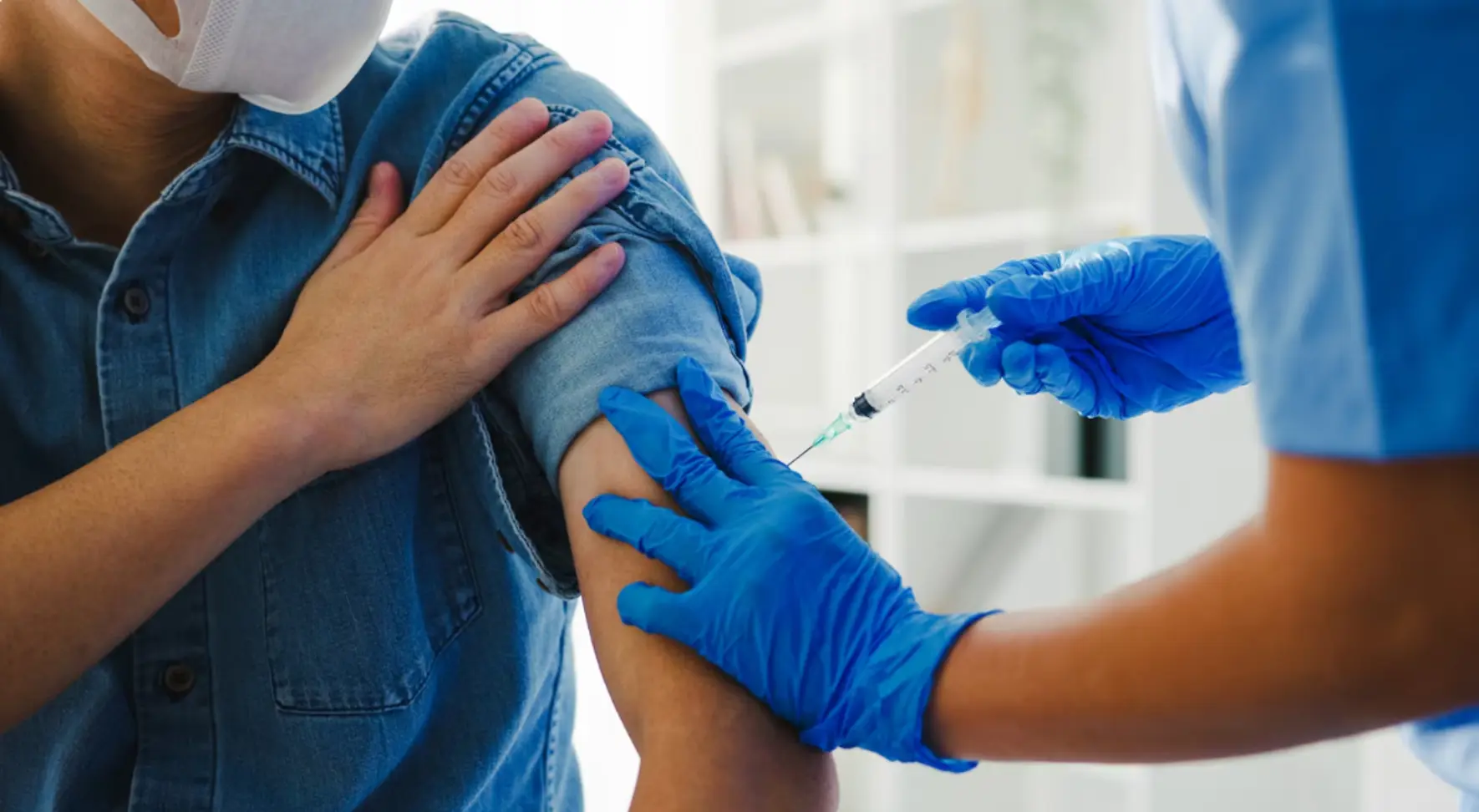
Vaccination plays a significant role in meningitis prevention. Specific vaccines offer protection against certain bacterial types. These vaccines are strongly recommended for travellers, adolescents, and anyone residing in group living conditions. Early and proactive prevention protects not only individuals but also communities at large.

Meningitis Vaccines: What You Need to Know

Vaccines are a powerful tool in preventing meningitis. They target the bacteria responsible for severe forms. Three primary vaccines protect against meningococcal, pneumococcal, and Haemophilus influenzae type b (Hib) infections.

These vaccines are recommended for specific groups. Adolescents, university students, and travellers are advised to get vaccinated. Vaccination campaigns in schools and communities enhance protection.

Consider these points about meningitis vaccines:

  • Target audience: Adolescents, travellers, people in halls of residence.
  • Vaccine types: Meningococcal, pneumococcal, Hib.
  • Access: Often administered in clinics and schools.

Vaccines have significantly reduced the incidence of meningitis. They are an effective measure against outbreaks. Health professionals emphasise timely vaccination to ensure communal safety. Understanding vaccines and getting them promptly can safeguard against life-threatening meningitis types.

Living With and Recovering From Meningitis

Recovery from meningitis can be challenging and varies among individuals.

While some people make a full recovery, others may experience lasting effects like fatigue or memory issues.

Support and resources are vital for managing post-recovery challenges. It is important for individuals and families to be informed and connected to the right support systems.

Key considerations for living with meningitis include:

  • Accessing medical and psychological support.
  • Managing chronic symptoms.
  • Engaging in rehabilitation if necessary.

Raising Awareness and Ongoing Research

Increasing public knowledge and supporting research are crucial in the fight against meningitis. Ongoing studies aim to develop better vaccines and treatments.

Book Your Meningitis Vaccine Today!

At Higher Cumpsall Pharmacy in Middleton, Manchester, we offer Meningitis Vaccination through Travel Vaccination services. Book Meningitis Vaccination here

How to Book Travel Vaccinations in Manchester: Step-by-Step Process Explained

Travel vaccinations are one of the most important parts of planning an international trip. But many travellers are unsure which vaccines they need or where to get them.

The requirements often depend on your destination, travel plans, and medical history. Without clear guidance, it can be difficult to know where to start.

In this guide, you will learn how to book travel vaccinations in Manchester, which vaccines you may need, and how Higher Crumpsall Pharmacy can help you prepare for your trip.

Why Travel Vaccinations Matter

Travel vaccines help shield you from illnesses that are more prevalent in the destination country you’re planning to visit. Some of these illnesses, like typhoid or hepatitis A, can be serious and may ruin your holiday or cause long-term health problems.

Many countries also require proof of certain vaccinations before you can enter. For example, yellow fever vaccination certificates are compulsory for entry to several countries in Africa and South America.

Getting vaccinated before you travel is one of the smartest things you can do. It protects not just you, but also the people you meet along the way.

How to Book Travel Vaccinations in Manchester

Booking travel vaccinations can feel confusing if you are planning to travel abroad and are not sure which vaccines you need or when to get them. The good news is that the process is simple when you follow the right steps.

Below is a quick step-by-step guide on how you can book your travel vaccinations in Manchester before going abroad and prepare for a safe trip.

Step 1: Check Which Vaccinations You Need

The first step is to find out which travel vaccines are recommended or required for your destination. This depends on:

  • Where are you travelling to?
  • How long will you be away?
  • The activities you have planned.
  • Your current vaccination history.
  • Any existing health conditions.

The NHS Fit for Travel site offers up-to-date general health advice tailored to the country you’re planning to visit. However, speaking with a qualified travel health professional will give you a much more personalised recommendation.

At Higher Crumpsall Pharmacy, our team will review your travel plans and health history during your consultation, so you only pay for the vaccines you actually need.

Step 2: Book Your Travel Vaccination Consultation

After determining the required vaccines for your trip, go ahead and book your appointment as soon as possible. It’s best to arrange this at least 6–8 weeks ahead of your travel date.

Why so early? Some vaccines need to be given in a series of doses over several weeks. Others, like the rabies vaccine, require multiple injections spaced days apart. Starting early gives your body enough time to build full protection before you travel.

You can book your travel vaccine appointment online in just a few minutes. Simply choose a date and time that works for you.

Step 3: Attend Your Travel Health Consultation

At your appointment, one of our experienced pharmacists will sit down with you and go through your travel plans in detail. This is your chance to ask questions and get tailored advice for your trip.

During your consultation, we will:

  • Review your travel itinerary.
  • Look at your existing vaccination records.
  • Discuss any health conditions or allergies.
  • Recommend the appropriate travel vaccines.
  • Advise on anti-malarial tablets if needed.
  • Answer any questions you have.

During your appointment, our skilled travel health pharmacists will equip you with all the information you need, so you depart feeling informed, empowered, and ready for your journey.

Step 4: Receive Your Travel Vaccinations

In many cases, your vaccinations can be administered on the same day as your consultation. Where multiple doses are needed, we will schedule follow-up appointments to complete your vaccination course.

Here is a quick look at some of the common travel vaccines we offer at Higher Crumpsall Pharmacy:

  • Hepatitis A: Recommended for most travellers visiting developing countries. It protects against a liver infection spread through contaminated food and water.
  • Typhoid: Typhoid fever is transmitted through food or water that has been contaminated with the bacteria. This vaccine is recommended if you are travelling to parts of Asia, Africa, or Latin America.
  • Yellow Fever: For entry into particular countries in Africa or South America, a yellow fever vaccine is compulsory. The jab includes the issuance of the recognised official yellow fever vaccination certificate.
  • Hepatitis B: Recommended for travellers who may be at risk through medical treatment abroad, sexual contact, or activities like contact sports.
  • Rabies: Advised for travellers visiting remote areas, working with animals, or taking part in outdoor activities in countries where rabies is present.
  • Japanese Encephalitis: It’s recommended for people visiting rural regions across Asia, particularly if your trip falls during the rainy monsoon period.
  • Cholera: An oral vaccine is recommended for travellers visiting areas with active cholera outbreaks or areas with very poor sanitation.

Our team will advise you on exactly which of these vaccines is right for your trip.

Step 5: Collect Your Vaccination Records

After your vaccinations, we will provide you with an up-to-date vaccination record. This is an important document to keep safe and carry with you when travelling.

If you require a yellow fever certificate, we will issue this at the time of your vaccination. This is an official document recognised by border control in countries that require it.

In addition to the paper version, we recommend having electronic copies of your vaccination documents readily available, in the event that the hard copy gets lost while you’re away.

Step 6: Consider Anti-Malarial Tablets

For certain destinations, you may also need anti-malarial medication to protect yourself against malaria. This is not a vaccine but a course of tablets that you take before, during, and after your trip.

During your consultation, our pharmacist will let you know if anti-malarial tablets are recommended for your destination and explain how to take them correctly.

Malaria poses a real and potentially deadly threat to your health, making it something you absolutely cannot afford to disregard.

NHS vs Private Travel Vaccines: Which Is Better?

How to Book Travel Vaccinations in Manchester

You might be wondering whether you should get your travel vaccines on the NHS or through a private provider like us. The honest answer is that most travel vaccines are not available on the NHS.

The NHS typically only covers vaccines for conditions that are a public health risk in the UK, such as tetanus, diphtheria, and polio boosters. Most destination-specific travel vaccines are classed as private healthcare.

If you want to understand more about this topic, have a read of our detailed guide on NHS vs private travel vaccines in Manchester, which explains exactly what is covered and what you will need to pay for privately.

How Far in Advance Should You Book?

This is one of the most common questions we hear, and the short answer is: as early as possible.

Here is a rough guide to help you plan:

  • 6 to 8 weeks before travel: Ideal for most destinations. Allows time for multi-dose vaccines.
  • 4 weeks before travel: Still manageable for most single-dose vaccines.
  • Less than 2 weeks before travel: We can still help, but options may be more limited. Contact us to discuss.

Even if your trip is just around the corner, do not assume it is too late. Get in touch with us, and we will do our best to help you get protected in time.

Why Choose Higher Crumpsall Pharmacy for Travel Vaccinations?

Higher Crumpsall Pharmacy Website

Manchester has lots of options for travel vaccinations. So what makes us stand out? Here are some of the key reasons our patients choose us time and time again:

  • Qualified travel health experts: Our pharmacists are fully trained and experienced in travel health.
  • Convenient location: Based in Higher Crumpsall, we are easy to reach from across Manchester.
  • Flexible appointment times: We offer appointments that fit around your busy schedule.
  • Friendly and personal service: We take the time to understand your travel plans and give you honest, straightforward advice.
  • Wide range of vaccines available: We stock all major travel vaccines, so you can get everything you need in one place.
  • Competitive pricing: We offer fair, transparent pricing with no hidden costs.

Frequently Asked Questions

  1. Do I need a prescription for travel vaccinations?

No. As a pharmacy, we can administer most travel vaccines without a GP referral or prescription. Simply book an appointment with us, and we will take care of the rest.

  1. Can children get travel vaccinations at the pharmacy?

Yes, in many cases. Some vaccines are suitable for children from a young age. Our pharmacists will confirm which vaccines are appropriate during the consultation.

  1. What should I bring to my appointment?

It helps to bring:

  • Your travel itinerary or booking confirmation.
  • Your existing vaccination records or NHS yellow book, if you have one.
  • A list of any medications you are currently taking.
  • Details of any known allergies.
  1. Are there any side effects from travel vaccines?

Like all vaccines, travel jabs can sometimes cause mild side effects such as a sore arm, slight redness, or a low-grade temperature. These usually pass within a day or two. Serious reactions are rare.

  1. Can I get all my travel vaccines in one appointment?

Often, yes. Many vaccines can be given at the same time. However, some vaccines require a series of doses, so you may need more than one visit depending on your destination and the vaccines required.

Ready to Book Your Travel Vaccinations in Manchester?

Do not leave your travel health to chance. Getting the right vaccinations before you travel is one of the best investments you can make in your health and your holiday.

At Higher Crumpsall Pharmacy, we are here to make the process as smooth and simple as possible. From your initial consultation through to receiving your vaccination certificate, we have got you covered.

Book your travel vaccination appointment today and travel with complete peace of mind.

Got any questions or need a bit more info before you book? Just get in touch with our welcoming team; we’d love to help you out.

NHS vs Private Travel Vaccines in Manchester: What’s the Difference?

Planning a trip abroad from Manchester? Before you even think about packing, consider your health. Getting the right travel vaccinations is one of the most important steps before any international trip.

Many people in Manchester feel unsure about one thing. Should you get your travel vaccinations through the NHS or book an appointment at a private travel clinic? Both options have clear benefits, but they work in different ways. We break down the key distinctions in this guide so you can pick the choice that fits your travel needs.

You can also get private travel vaccinations at Higher Crumpsall Pharmacy residents’ trust, right at your local pharmacy, with expert advice included.

What Are Travel Vaccinations?

Travel vaccinations, also known as travel jabs, are vaccines given to protect you from infectious diseases you may encounter when visiting certain countries.

Unlike your routine NHS vaccinations, travel vaccines are tailored to where you are going, how long you plan to stay, and what activities you will be doing. A safari in East Africa carries very different health risks from a city break in Southern Europe.

Some destinations also have mandatory vaccine requirements. Several countries in sub-Saharan Africa and South America, for example, require proof of a yellow fever vaccination before you are allowed to cross their borders.

Common Travel Vaccines

Here are the vaccines most frequently recommended for international travellers:

  • Hepatitis A – Spread through contaminated food and water, common across Asia, Africa, and South America.
  • Hepatitis B – Spread through blood and bodily fluids, recommended for travellers visiting medical facilities or spending extended time abroad.
  • Typhoid – A bacterial infection spread through contaminated food and water, prevalent in South Asia and parts of Africa.
  • Rabies – Recommended for travellers spending time in rural areas or regions with high exposure to animals.
  • Yellow Fever – A mosquito-borne disease found in tropical regions of Africa and South America, requiring a valid certificate for entry into many countries.
  • Meningitis ACWY – Recommended for travellers visiting sub-Saharan Africa or attending large gatherings such as the Hajj and Umrah pilgrimage.
  • Cholera – Relevant for travellers visiting areas with limited access to clean water and sanitation.
  • Chickenpox – Recommended for adults who have never had chickenpox and are travelling to high-risk destinations.
  • Diphtheria, Tetanus, and Polio – Booster doses are often needed if you are not up to date before travelling to higher-risk regions.

When Should You Get Vaccinated?

The general recommendation from travel health specialists is to get your travel jabs at least four to eight weeks before you depart. Some vaccines need more than one dose spread over several weeks to provide full protection.

If you are travelling at short notice, do not skip vaccination altogether. Many vaccines still offer meaningful protection even when given closer to your travel date, so it is always worth speaking to a travel health professional as soon as possible.

Travel Vaccines Through the NHS

How to Book Travel Vaccinations in Manchester

Before choosing where to get your travel vaccines, it helps to understand how the NHS system works. Below, we explain how NHS travel vaccinations work, which vaccines are available, and the main advantages and limitations.

How NHS Travel Vaccination Works

In England, you can access certain travel vaccinations through your NHS GP surgery. The process typically starts with booking a pre-travel consultation with your GP or a practice nurse, who will review your destination and health history before recommending the right vaccines.

It is worth knowing that not all GP surgeries in Manchester offer travel health consultations. Some practices have reduced their travel health services, and availability can vary considerably across the city.

Vaccines are usually available on the NHS

The NHS provides the following travel vaccines free of charge where clinically indicated:

  • Hepatitis A
  • Typhoid
  • Cholera
  • Tetanus, Polio, and Diphtheria boosters (if you are not up to date)

These vaccines are funded because they protect against diseases considered a significant public health concern.

Pros of NHS Travel Vaccinations

The biggest advantage is cost. If you only need hepatitis A or a typhoid jab, getting vaccinated through your GP surgery at no charge is a practical option when you have time to plan ahead.

The NHS is also a trusted, regulated healthcare service, and many patients feel comfortable receiving medical care through a familiar system.

Limitations of NHS Travel Vaccinations

There are some real drawbacks to relying solely on the NHS for travel health:

  1. Limited vaccine range: The NHS does not fund several important travel vaccines, including rabies, meningitis ACWY for travel purposes, and chickenpox. If your destination requires any of these, you will need a private clinic regardless.
  2. Waiting times: Securing a GP appointment in Manchester at short notice can be difficult. If your travel is within the next few weeks, NHS waiting times may simply not work for you.
  3. Not suitable for last-minute travel: Limited appointment slots combined with a restricted vaccine list make the NHS a poor fit for travellers who have booked at short notice.
  4. Inconsistent availability: Not every Manchester GP surgery provides full travel health consultations. Residents in Cheetham Hill, Prestwich, and other parts of Greater Manchester often find it frustrating to track down a surgery that can help.

Private Travel Vaccination Clinics in Manchester

Private Travel Vaccination Clinics in Manchester

Private clinics offer a different approach to travel health. Below, we look at how private travel clinics work, the vaccines available, and the benefits and considerations of choosing a private provider.

How Private Travel Clinics Work

Private travel clinics and pharmacies offering travel health services operate independently from the NHS. You can book directly, often online, without needing a GP referral.

At a private travel clinic, a specialist nurse or travel health clinician will carry out a thorough consultation and assess your individual risk based on your destination, planned activities, health history, and previous vaccination records.

Higher Crumpsall Pharmacy offers a comprehensive range of travel vaccinations for patients across Higher Crumpsall, Cheetham Hill, Prestwich, Middleton, Fallowfield, and South Manchester, making it easy to get every jab you need in one convenient appointment.

Vaccines Available at Higher Crumpsall Pharmacy

Here is a full breakdown of the travel vaccines currently available, along with pricing:

Hepatitis A (Hep A)

£50

Hepatitis B (Hep B)

£50

Hep A & B Combined

£90

Diptheria, Tetanus
& Polio Combined

£35

Typhoid

£40

Typhoid & Hep A Comined

£80

Meningitis ACWY

£45

Rabies Vaccine

£80

Cholera Vaccine

£80

Chickenpox Vaccine

£70

Yellow Fever Vaccine

£70

Coming Soon

Hajj & Umrah Immunisation

£50

The combined vaccine options, such as the Hepatitis A and B combined jab at £90 or the Typhoid and Hepatitis A combined at £80, can be a cost-effective way to cover more ground with fewer injections. We’ll guide you through the most suitable options for your trip when you meet with our team.

If you are travelling for Hajj or Umrah, our dedicated Hajj and Umrah immunisation package covers the vaccinations required for pilgrims travelling to Saudi Arabia, including meningitis ACWY, which is mandatory for entry.

Benefits of Private Travel Vaccines

  1. Faster appointments: At Higher Crumpsall Pharmacy, you can book your travel vaccination appointment quickly and conveniently, without waiting weeks for a GP slot. This is particularly valuable for patients in Fallowfield, Middleton, and South Manchester who may have limited GP availability locally.
  2. Full vaccine range: You can sort every jab you need in a single visit, rather than splitting your care between an NHS surgery and a separate clinic.
  3. Expert travel health advice: Our travel health team can provide tailored guidance on everything from malaria prevention tablets to destination-specific food and water safety advice.
  4. Transparent pricing: You can see exactly what each vaccine costs upfront, with no hidden charges or surprises.

You can book your travel vaccines online in just a few minutes, or get in touch with our team if you have any questions about which vaccines are right for your trip.

Possible Downsides

The main consideration with private travel clinics is cost. If you need several vaccines for a complex itinerary, the total can add up. However, as the pricing table above shows, combined vaccines and packages can help reduce the overall cost while keeping your protection comprehensive.

It is also worth remembering that some NHS-funded vaccines, such as hepatitis A and typhoid, are available at comparable prices through our pharmacy, with the added convenience of a dedicated travel health consultation in the same appointment.

NHS vs Private Travel Vaccines: Key Differences

Both options have their own pros and limitations. The comparison below breaks down the key differences in cost, availability, convenience, and vaccine options.

Factor NHS Private Clinic
Cost Some vaccines free Transparent pricing, combined options available
Appointment Speed Longer waiting times Quick bookings, minimal wait
Vaccine Range Limited list Full range available
Hajj and Umrah Immunisation Not routinely available Available
Travel Health Advice Basic Specialist and destination-tailored
Flexibility GP hours only Flexible scheduling available

Cost

If your trip only requires hepatitis A and typhoid, the NHS route is technically free. However, if you need vaccines that are not funded by the NHS, you will be paying for a private appointment either way. A single private clinic visit that covers your entire travel health needs can often be more efficient and better value than multiple separate appointments.

The combined vaccine options at Higher Crumpsall Pharmacy are a particularly good example; rather than paying for hepatitis A and typhoid as two separate appointments, the combined Typhoid and Hepatitis A vaccine at £80 covers both in a single jab.

Appointment Availability

Private pharmacies generally offer much faster access to appointments than NHS GP surgeries. For many travellers across Manchester, particularly those in Cheetham Hill and Prestwich, where GP appointments can be competitive, a private pharmacy is simply the quicker and more reliable route.

Vaccine Availability

This is where private clinics have a clear edge. Travellers visiting parts of Africa, South America, Southeast Asia, or the Middle East often need vaccines that the NHS simply does not provide. Rabies, meningitis, ACWY for travel, chickenpox, and Hajj and Umrah immunisations are all available at Higher Crumpsall Pharmacy at straightforward, listed prices.

Convenience

Private clinics offer a genuine one-stop approach to travel health. Rather than visiting your GP for some vaccines and then travelling to a separate clinic for others, you can handle your entire travel health consultation in a single appointment.

When NHS Travel Vaccines May Be the Right Choice

The NHS route can work well if:

  1. You are planning your trip well in advance and can wait comfortably for a GP appointment without it affecting your travel preparations.
  2. You are travelling to a lower-risk destination where only hepatitis A and typhoid are recommended.
  3. Your budget is the primary concern, and the specific vaccines you need happen to be funded free of charge by the NHS.

When Private Travel Vaccines Are the Better Option

A private travel clinic in Manchester is likely the better choice when:

  • You have last-minute travel plans and cannot wait for an NHS appointment to become available.
  • Your trip requires vaccines not available on the NHS, such as rabies, chickenpox, meningitis ACWY for travel, or Hajj and Umrah immunisations.
  • You want to cover everything in one appointment with a travel health specialist who can also advise on malaria prevention and destination-specific risks.
  • You value transparent pricing and the convenience of booking online at a time that suits you.

For most travellers heading to popular long-haul destinations in Asia, Africa, Central and South America, or the Middle East, a private travel clinic is the more complete and convenient choice.

How to Prepare for Your Travel Vaccine Appointment

A little preparation before your appointment helps you get the most out of it:

  1. Bring your travel itinerary: Include your destination countries, planned activities, accommodation type, and the length of your trip. The more detail you share, the more tailored your vaccine recommendations will be.
  2. Check destination health requirements: The NHS Fit for Travel website and TravelHealthPro are both reliable sources for up-to-date vaccine requirements by country.
  3. Book vaccinations four to eight weeks before travel: This gives you time to complete any multi-dose courses and for your body to build proper immunity before you depart.
  4. Bring previous vaccination records: If you have had travel vaccines in the past, bring your vaccination record book or any certificates you hold. This avoids unnecessary repeat doses and helps our team build an accurate picture of your travel health history.
  5. Be open about your health history: Let your clinician know about any existing medical conditions, medications, or allergies. Some vaccines may not be suitable for everyone, and your nurse will advise you accordingly.

Ready to get started? You can book your travel vaccine appointment online in just a few clicks.

Travel Health Tips for International Travellers

Vaccinations are an important part of travel health, but they’re only one piece of the puzzle. Here are other precautions to consider before and during your trip:

  1. Food and water safety: To reduce risk in areas with lower hygiene standards, drink only bottled or filtered water, avoid ice, and exercise caution with street food or fresh produce.
  2. Mosquito protection: Protect yourself by using insect repellent containing DEET, dressing in long sleeves and pants at night, and sleeping under a net where necessary, particularly in malaria zones.
  3. Malaria prevention tablets: If your destination carries a malaria risk, ask your travel health nurse about the most suitable antimalarial medication for your trip. The right choice depends on your destination, health history, and the length of your stay.
  4. Travel insurance: Always arrange comprehensive travel insurance before you depart. Check that your policy covers medical treatment abroad and emergency evacuation where necessary.
  5. Carry your vaccination certificates: If you have received a yellow fever vaccine, you will need to carry your international certificate of vaccination as proof at border control in many countries. Keep it safe alongside your passport.

If you have any questions about preparing for your trip, our team at Higher Crumpsall Pharmacy is happy to help. Reach us through the contact page online, or feel free to visit the pharmacy directly.

Conclusion

Both NHS and private travel vaccinations have a role to play in protecting Manchester travellers when they head abroad.

The NHS is a practical option for basic vaccines if you are travelling well in advance and only need hepatitis A or typhoid. But for most travellers, especially those visiting higher-risk destinations, travelling at short notice, or needing vaccines such as rabies, meningitis, ACWY, chickenpox, or Hajj and Umrah immunisations, a private travel clinic offers a more complete, convenient, and flexible service.

At Higher Crumpsall Pharmacy, we provide a full range of travel vaccinations for patients across Higher Crumpsall, Cheetham Hill, Prestwich, Middleton, Fallowfield, and South Manchester, with transparent pricing and easy online booking.

Do not leave your travel health until the last minute. Book your travel vaccines today and set off with the confidence that you are properly protected.

Frequently Asked Questions

  1. Are travel vaccines free on the NHS?

Some travel vaccines are available free of charge on the NHS, including hepatitis A, typhoid, cholera, and tetanus, Polio, and diphtheria boosters if you are not up to date. However, many important travel vaccines, including rabies, meningitis ACWY for travel, chickenpox, and Hajj and Umrah immunisations, are not NHS-funded and need to be obtained through a private clinic.

  1. How early should I get travel vaccines before a trip?

The recommended timeframe is at least four to eight weeks before departure. Some vaccines need multiple doses over several weeks to achieve full immunity. If you have left it later than this, do not delay further. Speak to our travel health team at Higher Crumpsall Pharmacy as soon as possible, as even partial protection from a single dose is better than none.

  1. Can I get travel vaccines without seeing my GP?

Yes. At Higher Crumpsall Pharmacy, you can book your travel vaccinations directly without a GP referral. This makes it much quicker and easier to access the full range of vaccines you need, without having to wait for an NHS surgery appointment first. Simply book online at a time that suits you.

  1. Do private travel clinics offer quick appointments in Manchester?

Yes. Higher Crumpsall Pharmacy offers straightforward online booking for travel vaccines, with appointments available to patients across Higher Crumpsall, Cheetham Hill, Prestwich, Middleton, Fallowfield, and South Manchester. Getting booked in quickly is particularly helpful for travellers who have not left much time before departure.

  1. Which travel vaccines are not available on the NHS?

Several important travel vaccines are not funded by the NHS. These include rabies, meningitis, ACWY for travel purposes, chickenpox, and Hajj and Umrah immunisations. At Higher Crumpsall Pharmacy, all of these are available at clear, listed prices. You can view the full range of travel vaccinations we offer on our dedicated travel health page.

How to Get the Meningitis Vaccine for Umrah in Manchester

Preparing for Umrah is a special moment. Along with travel plans and documents, protecting your health is an important part of the journey. One key requirement is the meningitis vaccine.

If you are wondering how to get the meningitis vaccine for Umrah in Manchester, this step-by-step guide will make everything clear and simple.

At Higher Crumpsall Pharmacy, we help pilgrims get vaccinated quickly and safely so they can travel with peace of mind.

Meningitis Vaccine for Umrah in Manchester: Step-by-Step Guide

Before travelling for Umrah, you need the meningitis vaccine. Below are the simple 7 steps to get it in Manchester.

Step 1: Understand Why the Meningitis Vaccine Is Required

Saudi Arabia requires all Umrah pilgrims to receive the MenACWY meningitis vaccine.

This vaccine protects against serious infections that can spread easily in crowded places like airports, hotels, and mosques.

Without proof of this vaccine, your Umrah visa may not be approved, and you could face issues at entry points.

Step 2: Check If You Already Have a Valid Vaccine

Before booking a new appointment, check if you have had the MenACWY vaccine before. The meningitis vaccine for Umrah is valid for five years.

If your vaccine was given within this time, your certificate may still be accepted. Always confirm the date and keep your records ready.

If you are unsure, a pharmacist can quickly check and guide you.

Step 3: Book Your Meningitis Vaccine in Manchester

Once you know you need the vaccine, the next step is booking an appointment.

Many people choose a local pharmacy because it is faster and more convenient than waiting for a GP appointment.

At Higher Crumpsall Pharmacy, booking is simple and flexible. You receive a private consultation and clear advice tailored to your travel plans.

You can also explore our travel vaccination services in Manchester to see what other protection may be useful for your trip.

Step 4: Attend Your Vaccination Appointment

During your appointment, a trained professional will:

  • Review your travel details
  • Ask a few health questions
  • Explain the vaccine and any side effects
  • Give the MenACWY vaccine safely

The injection is quick, and most people only feel mild discomfort in the arm.

After vaccination, you can continue your normal day.

Step 5: Receive Your Official Umrah Vaccination Certificate

After your meningitis vaccine, you will be given an official vaccination certificate.

This certificate is required for:

  • Umrah visa application
  • Airport checks
  • Entry into Saudi Arabia

Make sure the certificate includes the correct vaccine name, date, and clinic details.

It is a good idea to keep a paper copy and a photo on your phone.

Step 6: Get Vaccinated at the Right Time

You must receive the meningitis vaccine at least 10 days before travel.

For best results, book your appointment four to six weeks before your departure date. This allows your body enough time to build protection and avoids last-minute stress.

If your trip is soon, speak to a pharmacist as some arrangements can still be made.

Step 7: Consider Other Recommended Vaccines

While the meningitis vaccine is mandatory, other vaccines are often recommended for Umrah pilgrims.

These may include flu, COVID-19, hepatitis, and typhoid vaccines.

A pharmacist can assess your needs and explain which vaccines suit your health and travel duration.

If you’re getting ready for your trip, our detailed vaccination guide for pilgrims can help you understand what you need before you travel.

Who Should Get Extra Advice Before the Vaccine

Some people should speak with a healthcare professional before vaccination, including:

  • Pregnant women
  • Elderly travellers
  • People with long-term medical conditions
  • Those with weakened immune systems

A short consultation ensures the vaccine is safe and suitable for you.

Book Your Meningitis Vaccine in Manchester Today

Getting the meningitis vaccine for Umrah in Manchester does not need to be complicated.

Higher Crumpsall Pharmacy offers fast appointments, professional care, and official certificates to help you prepare with confidence.

Book your appointment today through our booking page, or connect directly with our welcoming team.

Frequently Asked Questions

  1. Is the meningitis vaccine mandatory for Umrah?
    Yes. The MenACWY meningitis vaccine is mandatory for all Umrah pilgrims. You must show a valid vaccination certificate when applying for your Umrah visa and on arrival in Saudi Arabia.


  2. How early should I get the meningitis vaccine before Umrah?
    You should get the vaccine at least 10 days before travel. Booking four to six weeks earlier is recommended to avoid last-minute issues.


  3. How long is the meningitis vaccine valid for Umrah?
    The MenACWY vaccine is valid for five years. If you had it within this period, you may not need a booster.


  4. Can I get the meningitis vaccine for Umrah at a pharmacy in Manchester?
    Yes. Many pharmacies in Manchester, including Higher Crumpsall Pharmacy, offer the MenACWY vaccine with an official Umrah vaccination certificate.


  5. Is the meningitis vaccine halal?
    Yes. The MenACWY vaccine used in the UK is considered halal and suitable for Muslim pilgrims.

6. Can children get the meningitis vaccine for Umrah?
Yes. Children travelling for Umrah also need the MenACWY vaccine. Age-specific guidance will be provided.

Complete Guide to Umrah Vaccinations in Manchester

Planning for Umrah is a special and meaningful journey. Along with booking flights and accommodation, taking care of your health is just as important. One key step is making sure your vaccinations are up to date before you travel.

If you are looking for an Umrah vaccine in Manchester, this guide will walk you through everything you need to know. From required vaccines to where you can get them, this blog keeps things simple and clear.

At Higher Crumpsall Pharmacy, we support pilgrims with safe, professional, and convenient travel vaccinations to help you prepare with confidence.

Why Vaccines Are Important for Umrah

Millions of people travel to Saudi Arabia every year for Umrah. Large crowds, close contact, and long travel hours increase the risk of spreading infections.
Vaccinations help protect you and others around you. They also reduce the risk of illness during your trip, allowing you to focus fully on your spiritual journey.
Saudi authorities require certain vaccines for entry, and some are strongly recommended for extra protection.

Umrah Vaccine Requirements

Before travelling for Umrah, pilgrims must meet Saudi Arabia’s vaccination rules to protect public health during large religious gatherings. Vaccine requirements are enforced during the visa process and on arrival.

Mandatory Vaccine

Meningococcal ACWY (MenACWY)

The MenACWY vaccine is mandatory for all Umrah pilgrims aged 1 year and above, regardless of nationality. Proof of vaccination is required for the Umrah visa and will be checked upon arrival in Saudi Arabia.

  • Must be taken at least 10 days before travel.
  • Protects against meningococcal groups A, C, W, and Y.
  • Required due to the high transmission risk posed by Umrah crowds.

Vaccine validity (Saudi Ministry of Health):

  • Conjugate vaccines (Menveo, Nimenrix, MenQuadfi): Valid for 5 years.
  • Polysaccharide vaccines: Valid for 3 years.

Most UK pilgrims receive the conjugate vaccine. Check your certificate for the vaccine type and date to confirm if a booster is needed.

Conditionally Required Vaccines

Additional vaccines apply only based on travel history or transit routes:

  • Polio vaccine – Required for pilgrims arriving from or transiting through countries with poliovirus circulation. Proof of vaccination is required, and an additional dose may be administered upon arrival.
  • Yellow fever vaccine – Required if travelling from or transiting through yellow fever risk countries. The certificate is valid for life, starting 10 days after vaccination.

Most UK pilgrims are exempt unless their itinerary includes risk areas.

Recommended (Not Mandatory)

The following vaccines are strongly advised for added protection during Umrah:

  • Seasonal flu vaccine
  • COVID-19 vaccine (recommended but not mandatory)
  • Hepatitis A & B vaccines
  • Typhoid vaccine

Note: Always check the latest guidance from the Saudi Ministry of Health or Nusuk platform before travel, as requirements may change.

When Should You Get Your Umrah Vaccines

It is best to book your vaccines four to six weeks before travel. This gives your body enough time to build protection. If your trip is coming up soon, do not worry. Some vaccines can still be given closer to your travel date. A quick consultation can help decide what is safe and suitable for you.

Umrah Vaccination Certificate Explained

After receiving the MenACWY vaccine, you will be given an official certificate. This document is needed for your visa and may be checked at the airport. Always keep both a paper copy and a digital photo on your phone. Pharmacies offering Umrah vaccines will make sure your certificate meets Saudi requirements.

Getting Your Umrah Vaccine in Manchester

Manchester has several clinics and pharmacies that provide Umrah vaccinations. Choosing a local pharmacy often means shorter wait times and a more personal service.

At Higher Crumpsall Pharmacy, we offer:

  • Private consultation with trained professionals
  • Fast appointments with minimal waiting time
  • Official vaccination certificates
  • Friendly support and clear advice

If you already use our services, you may also want to read about our private travel clinic services to see how we support travellers year-round.

Who Needs Extra Advice Before Vaccination

Some pilgrims should speak to a healthcare professional before booking vaccines, including:

  • Pregnant women
  • Elderly travellers
  • People with long-term health conditions
  • Those with weakened immune systems

A short consultation helps ensure vaccines are safe and suitable for your situation.

Preparing for a Healthy Umrah Journey

Vaccines are only one part of staying healthy during Umrah. You should also:

  • Wash your hands regularly
  • Drink bottled water
  • Eat freshly prepared food
  • Rest when needed
  • Carry basic medication

A well-planned approach ensures your Umrah remains smooth and worry-free. In addition to getting vaccinated, adopting a few practical health measures lowers the chance of illness and allows you to stay centred on your worship.

How to Book Umrah Vaccines in Manchester?

Getting your Umrah vaccine in Manchester doesn’t have to be stressful. With the right support, you can prepare quickly and safely.

Higher Crumpsall Pharmacy is proud to help pilgrims feel ready for their journey with professional care and friendly service.

Visit our umrah vaccine booking page to book your appointment or speak with our team today.

Your health matters, and we are here to support your Umrah journey every step of the way.

Frequently Asked Questions

1. Do I need to take any vaccine for Umrah?

Yes. The MenACWY vaccine is mandatory for Umrah pilgrims. A valid vaccination certificate is required for your Umrah visa and entry into Saudi Arabia.

You should get the vaccine at least 10 days before travel. Booking four to six weeks in advance is recommended to ensure full protection and avoid last-minute issues.

The MenACWY vaccine is valid for five years. If you were vaccinated within this period, a booster may not be required.

If your previous MenACWY vaccine was taken within the last five years, your certificate may still be valid. Always check the vaccination date before travelling.

Yes. Children travelling for Umrah also require the MenACWY vaccine. Age-specific advice will be provided during the consultation.

Yes. The MenACWY vaccine used in the UK is considered halal and suitable for Muslim pilgrims.

The majority of people notice only minor effects, like a tender arm or feeling a bit fatigued. Severe reactions are uncommon, and your pharmacist will walk you through all the details in advance.

Many pharmacies in Manchester, including Higher Crumpsall Pharmacy, offer Umrah vaccinations with official certificates and private consultations.

Finding the Best Travel Clinic Nearby

Sure! I’ll edit the article to use plain British English and target local areas in Middleton, Manchester. Here’s the revised version:

Finding the Best Travel Clinic in Middleton, Manchester

Travelling abroad is an exciting adventure, but it comes with health risks. Visiting a travel clinic can help you prepare.

These clinics specialise in travel health services, offering vaccinations and advice tailored to your destination.

Finding a reliable travel clinic in Middleton is crucial for a safe journey. They provide essential travel health advice and preventive care.

Whether you need a travel vaccine clinic or a travel medicine clinic, knowing what to expect is key.

This guide will help you find the best travel clinic in Middleton and prepare for your visit.

What Is a Travel Clinic and Why Do You Need One?

Travel clinic offering consultations and vaccinationsA travel clinic focuses on keeping travellers healthy during international trips. They offer specialised services to help you prepare for your journey.

Many travellers don’t realise the health risks that come with exploring new places. Different regions often have specific health concerns.

Visiting a travel clinic ensures you receive the vaccinations and health advice necessary for your destination. Without the right precautions, you may face avoidable health issues abroad.

Typical services at a travel clinic include:

  • Vaccinations for diseases like yellow fever and hepatitis.
  • Advice on avoiding common travel illnesses.
  • Preventive medications for malaria.

A travel clinic is essential for any international traveller. Their expertise protects your health. Planning ahead by visiting a travel clinic can help ensure a safe and enjoyable trip. Taking the time to get the right advice and vaccinations is a worthwhile investment in your health.

Key Services Offered by Travel Clinics

Nurse preparing travel vaccines

Travel clinics offer a broad range of services tailored to international travellers. These clinics focus on preventive care to keep travellers healthy. They assess the health risks specific to your destination.

Vaccinations are a primary service provided by travel clinics. They can administer vaccines for illnesses such as typhoid, rabies, and yellow fever. Getting vaccinated ahead of time ensures immunity before your trip.

Personalised health advice is another key offering. Clinics provide guidance on food and water safety, insect bite prevention, and altitude sickness. This advice helps travellers take necessary precautions.

Here are common services available:

  • Vaccinations for various travel-related diseases.
  • Health risk assessments and personalised consultations.
  • Preventive medicines for malaria and other illnesses.

Some clinics also provide post-travel consultations. If you experience health issues after returning, they can offer diagnosis and treatment. Travel clinics aim to cover all aspects of travel health, ensuring a safe journey abroad. Preparing well with their services makes travel both safer and more enjoyable.

How to Find the Best Travel Clinic in Middleton

Finding the right travel clinic is vital. Start by researching online for clinics in your area. Many offer detailed websites with their services listed.

Reading online reviews can give insight into patient experiences. Feedback can help in evaluating the quality of care provided. Look for ratings and testimonials that highlight service satisfaction.

Consider the clinic’s credentials and certifications. Ensure they are certified to provide mandatory vaccinations like yellow fever. Certification guarantees adherence to health standards.

Here are some steps to help find the best clinic:

  • Search for travel clinics in Middleton.
  • Check reviews and patient feedback.
  • Verify clinic certifications and licences.
  • Compare services and availability.

Also, ask for recommendations from friends or family who travel often. Personal experiences can guide you to reliable clinics.

It’s essential to choose a clinic that offers comprehensive services, flexible appointment times, and knowledgeable staff. This preparation helps ensure a safe and healthy trip.

Higher Crumpsall Pharmacy offers Travel Vaccination. Book your appointment here.

What to Expect During Your Visit

When you visit a travel clinic, expect a thorough consultation. The staff will assess your travel plans and health needs. This information helps tailor advice and services to your itinerary.

Your consultation may include a discussion of required vaccinations and health risks. Each destination has unique health concerns. The clinic provides essential vaccinations and medications, along with advice to avoid illnesses.

The clinic may also offer advice on various travel-related health risks. Topics might include managing chronic conditions, avoiding insect bites, and preventing sunburn. This guidance is crucial for safe travels.

During your visit, you can expect:

  • A personalised health risk assessment.
  • Advice on necessary vaccinations.
  • Health tips for your specific destination.
  • Answers to your travel health questions.

After your visit, you’ll leave with the knowledge needed to stay healthy abroad. Taking precautions ensures peace of mind during your journey.

Essential Travel Vaccines and Preventive Health Advice

Travel vaccines are crucial for protecting against diseases. Some of the most common travel vaccines include yellow fever, typhoid, and hepatitis A and B. Others, like rabies and Japanese encephalitis, may be recommended depending on your destination.

Travel clinics can administer these vaccines and provide personalised advice. They determine which vaccines you need based on your specific travel plans. It’s recommended to visit 4-6 weeks before your trip for full vaccine effectiveness.

Preventive health advice is equally important. Clinics offer tips on avoiding health risks abroad. This could involve food and water safety, insect bite prevention, and sun protection strategies.

Here’s a list of common vaccines and advice topics:

  • Vaccines: Yellow fever, typhoid, hepatitis A and B, rabies, Japanese encephalitis.
  • Preventive Advice: Food and water safety, insect bite prevention, sun protection.

Preparing well before your trip can make a significant difference. With the right vaccines and advice, you can prevent illnesses and enjoy a worry-free journey.

Tips for Preparing for Your Travel Clinic Appointment

Preparation is key to making the most of your travel clinic visit. Start by booking your appointment well in advance, especially during peak travel seasons. This ensures you get the vaccines you need on time.

Before your appointment, gather important documents, such as your vaccination records. Bring a list of questions or concerns about health risks at your destination. This helps guide the discussion and ensures all your worries are addressed.

To maximise your consultation, consider these preparation tips:

  • List your travel destinations and dates to provide context for vaccine recommendations.
  • Note any allergies or medical conditions to inform vaccine choices.
  • Ask about vaccine side effects so you’re prepared for any reactions.

With these steps, you can ensure a thorough and productive travel clinic visit.

Frequently Asked Questions About Travel Health Clinics

Finding reliable travel health information can be challenging. Many people have common questions about travel clinics and their services. Knowing the basics helps make informed decisions.

Common Questions

Curious about what to expect from your clinic visit? Here are answers to frequent questions travellers have:

  • What vaccines are available at travel clinics?
  • How soon should I visit before my trip?
  • Are travel consultations covered by insurance?

These questions cover the essentials of what a travel clinic offers. Understanding these can make your experience smoother. If you have unique health concerns, it’s crucial to inquire specifically during your consultation.

Feel free to let me know if you need further adjustments or additions!

Importance of flu vaccination in winter

Winter is a time when the flu virus thrives. Cold weather and indoor gatherings increase the risk of flu spread.

Flu vaccination is a key defense against this seasonal threat. It helps protect you and those around you.

The flu vaccine is updated each year to target the most common virus strains. This makes it an essential part of winter health.

Getting vaccinated can reduce the risk of severe flu complications. It can also lower the chance of flu-related hospital visits.

The Centers for Disease Control and Prevention (CDC) recommends annual flu vaccination for everyone aged six months and older.

Timing is crucial. The best time to get vaccinated is before flu season peaks, ideally by the end of October.

Flu vaccination is not just about personal protection. It also helps protect vulnerable groups, like the elderly and young children.

Understanding the importance of flu vaccination can lead to healthier communities during the winter months.

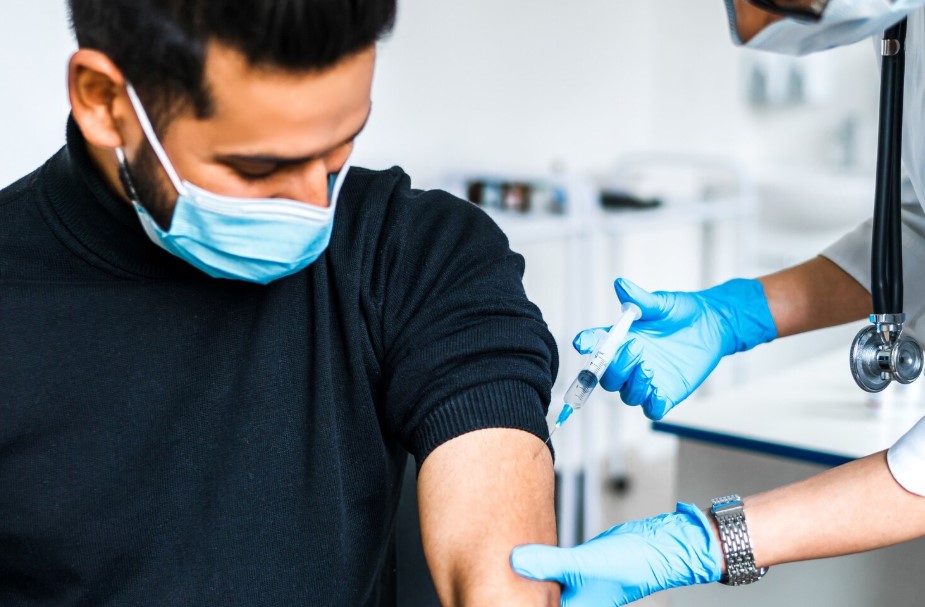
A person receiving a flu vaccination in a clinic setting

Why Flu Vaccination Matters in Winter

Winter is when the flu virus is most active. Cold temperatures and shorter days drive people indoors. This increases the chance for viruses like the flu to spread easily.

Flu vaccination is vital during this period. It provides a proactive way to lessen your risk of contracting the flu. By getting vaccinated, you are not only protecting yourself but also those around you, especially the more vulnerable populations.

There are several reasons why flu vaccination is crucial in winter:

  • Peaks in flu activity typically occur during the colder months.
  • The vaccine helps reduce the severity of the illness.
  • It can prevent flu-related hospital stays and severe outcomes.

People gathered indoors during winter

The flu vaccine works best when your body has had time to build up immunity. This is why early winter vaccination is recommended. It gives your body about two weeks to develop antibodies.

For many, getting a flu shot is an annual ritual. It becomes part of their health routine, ensuring they are prepared each flu season.

The wide adoption of flu vaccination can significantly curb the spread of the virus. This not only aids individual health but helps maintain community well-being. The flu vaccine is an essential tool in managing public health challenges during the winter months.

How the Flu Vaccine Works

The flu vaccine is designed to protect against the most common strains of the virus. Each year, experts select the most likely strains to spread. This ensures the vaccine provides optimal protection during flu season.

When you receive the flu vaccine, your immune system responds. It creates antibodies without you having to catch the flu. This means your body is ready to fight the virus if you encounter it later.

Diagram showing how antibodies are formed after vaccinationby National Cancer Institute (https://unsplash.com/@nci)

Here’s a simplified overview of the flu vaccine process:

  • The vaccine introduces inactivated or weakened virus particles.
  • Your immune system recognizes these particles as foreign invaders.
  • Antibodies are produced, guarding you against future infections.

It usually takes about two weeks for these antibodies to form. Thus, early vaccination, ideally by the end of October, is beneficial. The vaccine itself cannot cause the flu, as it contains no live virus. Understanding how it works is key to appreciating its role in flu prevention.

Who Should Get the Flu Vaccine?

The flu vaccine is recommended for nearly everyone. According to health guidelines, anyone aged 6 months and older should get vaccinated each year. This broad recommendation helps protect vulnerable individuals and the community.

Certain groups are at higher risk of flu complications. These include the elderly, young children, and pregnant women. People with chronic health conditions, such as asthma or diabetes, should also prioritize vaccination.

Receiving a flu shot can also protect those around you. Even healthy individuals can transmit the flu to others who may suffer more severe outcomes. By getting vaccinated, you contribute to community immunity, reducing overall transmission.

Key groups to prioritize for the flu vaccine:

  • Seniors (65 years and older)
  • Individuals with chronic medical conditions
  • Pregnant women and children younger than five
  • Healthcare and essential workers

Although the vaccine is safe for most, always consult a healthcare provider. This is crucial for individuals with certain allergies or specific health concerns. Informed vaccination ensures both personal and public health are safeguarded.

Recommended Vaccination Schedule for Flu

Timing is crucial when it comes to flu vaccination. Health experts advise getting vaccinated before flu season begins. This ensures that your body has time to develop immunity before flu activity peaks.

The best period to get the flu shot is ideally by the end of October. However, vaccination later in the season can still offer protection. It’s important to plan ahead and incorporate vaccination into your annual healthcare routine.

For children requiring two doses, the vaccination process should start earlier. This is to ensure they receive both doses within the recommended timeframe. Following the vaccination schedule is essential for maximizing protection.

Key points for an effective vaccination schedule:

  • Aim for vaccination by the end of October
  • Consider earlier scheduling for children needing two doses
  • Vaccination later than October still provides benefits
  • Include flu vaccination in your annual healthcare plans

By following these guidelines, you contribute to a healthier community. Adhering to the recommended schedule provides optimal protection for both individuals and the public at large.

Types of Flu Vaccines Available

Different flu vaccines cater to diverse needs. Each type targets specific age groups or health conditions. It’s essential to know which vaccine suits you best.

The most common options include the standard-dose and high-dose vaccines. The high-dose is particularly for those aged 65 and older. There is also a nasal spray vaccine, primarily for healthy individuals aged 2-49.

Here’s a quick look at the options:

  • Standard-dose vaccine: Suitable for most age groups.
  • High-dose vaccine: Designed for older adults.
  • Nasal spray vaccine: Ideal for those preferring needle-free options.

Various types of flu vaccines with labelsby Mathurin NAPOLY / matnapo (https://unsplash.com/@matnapo)

Consulting with a healthcare provider is key. They can guide you in choosing the most appropriate flu vaccine. Understanding your options helps ensure optimal protection against the flu.

Common Flu Shot Side Effects and Safety

Flu shots are a proven safe way to protect against the flu. However, as with any medical procedure, they can have side effects. Fortunately, these effects are typically mild and short-lived.

Most people experience only minor reactions. Common side effects include soreness or redness at the injection site. Sometimes, a low-grade fever or mild muscle aches can occur.

Severe side effects are rare but possible. It’s important to be aware of them and seek medical attention if needed. Allergic reactions can happen but are uncommon.

Here’s what you might expect post-vaccination:

  • Soreness or redness at the site of injection
  • Mild fever for a day or two
  • Muscle aches, usually mild
  • Fatigue for a short period

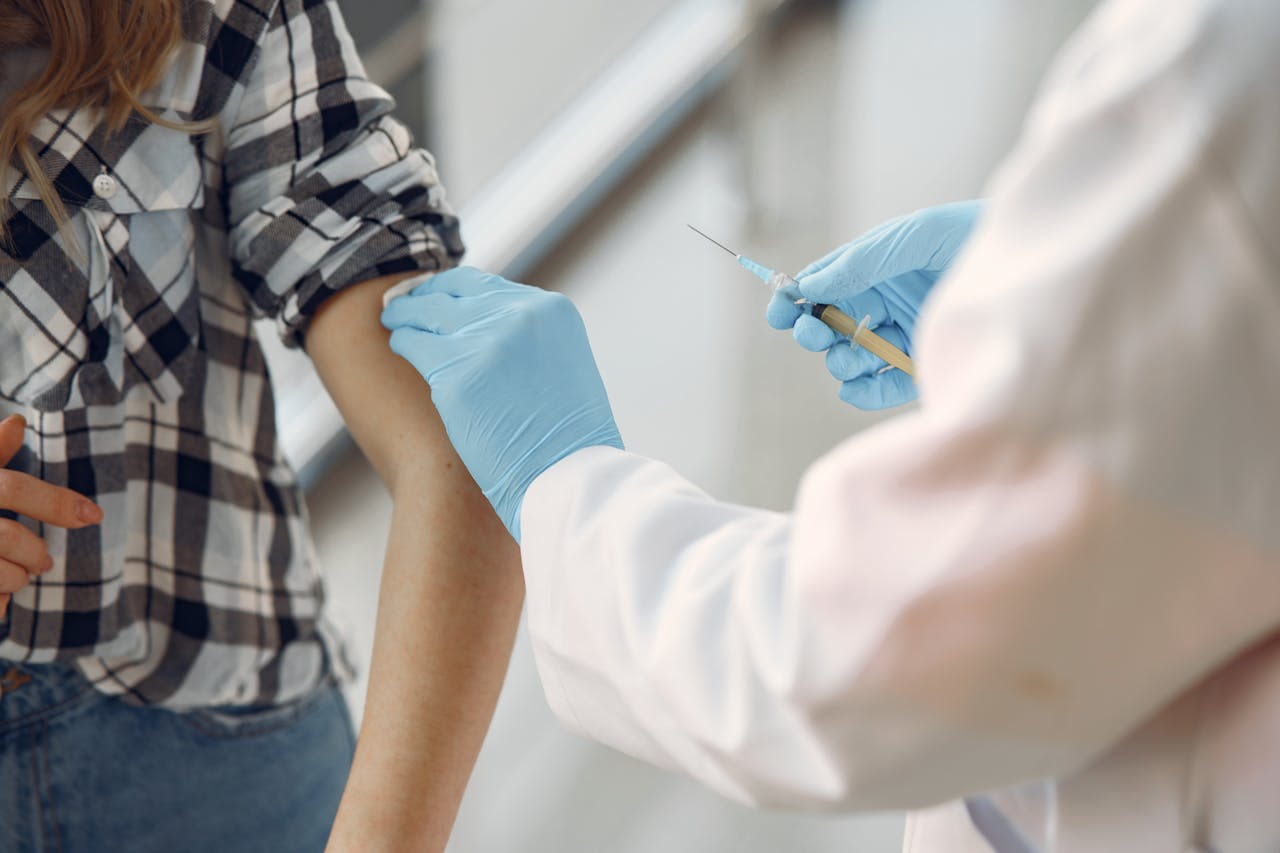
Close-up of a person receiving a flu shotby Mufid Majnun (https://unsplash.com/@mufidpwt)

The flu vaccine does not contain live viruses, so it cannot cause the flu. The benefits far outweigh the risks, making it a wise choice for most people. Always discuss concerns with your healthcare provider to ensure peace of mind.

Benefits of Flu Vaccination for Individuals and Communities

The flu vaccination offers significant benefits for both individuals and the wider community. On a personal level, it drastically reduces your chances of contracting the flu. If you do happen to catch the virus, the symptoms are often less severe.

This vaccine helps protect vulnerable groups from complications. Those at higher risk include elderly individuals, young children, and those with chronic illnesses. Keeping these groups safe is vital, as they can suffer serious health issues from the flu.

The communal benefits of widespread vaccination are also substantial. Herd immunity occurs when enough people are immunized, reducing the overall spread. This not only protects the vaccinated but also shields those who can’t be vaccinated.

Here are some key benefits of flu vaccination:

  • Decreases flu-related hospitalizations
  • Mitigates severity for those who contract the flu
  • Reduces community transmission and supports herd immunity
  • Safeguards vulnerable populations from complications

Getting vaccinated is more than a personal health choice; it’s a contribution to public health. It alleviates strain on healthcare systems by reducing potential flu outbreaks. Each vaccinated person adds to the collective shield, helping to guard everyone.

Addressing Myths and Misconceptions About Flu Vaccination

Misunderstandings about the flu vaccine are common and can hinder vaccination efforts. One widespread myth is that the flu shot can cause the flu itself. In reality, the vaccine contains inactivated virus or no virus, making it impossible to cause the illness.

Another misconception is that flu vaccines are ineffective. While no vaccine is perfect, the flu shot remains the best defense against the influenza virus, adjusting annually to cover prevalent strains.

Consider these common myths and the truth behind them:

  • Myth: The flu vaccine causes the flu.
  • Fact: The flu vaccine cannot give you the flu.
  • Myth: Flu shots don’t work.
  • Fact: Vaccination reduces severity and helps prevent illness.

By understanding these facts, individuals can make informed choices and help dispel misinformation.

Where and How to Get Your Flu Vaccine

Getting a flu vaccine is easy and convenient, thanks to its widespread availability. Many locations offer the flu shot, ensuring it’s accessible for everyone in the community.

Consider these common places where you can receive your flu shot:

  • Doctor’s offices and clinics
  • Pharmacies
  • Schools and educational institutions
  • Some workplaces and community centers

Most health insurance plans cover the flu vaccine, making it affordable. It’s wise to check with your healthcare provider or local pharmacy for the best options. Taking this proactive step towards vaccination ensures protection for you and those around you.

Conclusion: Taking Action for a Healthier Winter

Flu vaccination is a crucial step toward a healthier winter season for everyone. Getting vaccinated protects both individuals and communities from the flu’s spread and complications.

Taking action now ensures a safer and healthier environment for your family and friends. Embrace the flu vaccine as a preventive measure and help reduce the winter healthcare burden. Prioritize health this season by scheduling your flu shot today.