

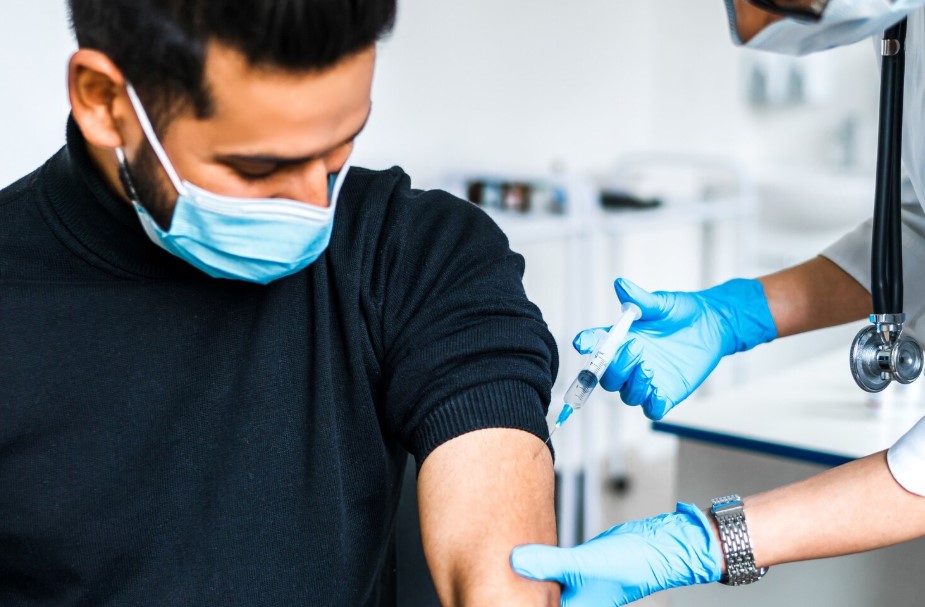
Meningitis is a serious health condition that affects the brain and spinal cord. It can be life-threatening if not treated promptly. Understanding meningitis is crucial for prevention and early intervention.
This article will explore the key aspects of meningitis. We will cover its symptoms, causes, and types. You’ll also learn about the available treatment options and vaccines.
Meningitis symptoms can vary, making it important to recognise them early. Common signs include fever, headache, and a stiff neck. Infants may show different symptoms, such as irritability and poor feeding.
Prevention is vital in reducing the risk of meningitis. Vaccines play a significant role in protecting against certain types. Good hygiene practices can also help prevent the spread of infections.
Stay informed about meningitis to protect yourself and your loved ones. Early diagnosis and treatment can save lives.
What Is Meningitis?
Meningitis is an inflammation of the protective membranes around the brain and spinal cord. These membranes, known as the meninges, become swollen due to infection. This condition can be caused by various pathogens.
The causes of meningitis include:
- Bacteria
- Viruses
- Fungi
- Parasites

Bacterial meningitis is the most severe form and requires urgent medical attention. Viral meningitis is often less serious and can resolve on its own. Understanding the type of meningitis is important for treatment. Recognising the early symptoms can significantly improve outcomes. Rapid medical intervention can prevent complications, such as hearing loss or brain damage.
Causes and Types of Meningitis
Meningitis arises due to infection of the membranes covering the brain and spinal cord. The infection can be caused by several pathogens.
Each type of pathogen results in a specific form of the illness with varying severity and treatment protocols.
The major causes of meningitis include:
- Bacteria, such as Neisseria meningitidis
- Viruses, like enteroviruses
- Fungi, which can affect those with weak immune systems
- Parasites, although less common
Bacterial meningitis is potentially life-threatening and needs immediate care. Early recognition and treatment can prevent serious health issues. Viral meningitis tends to be milder, often resolving without medical intervention. Understanding the cause helps determine the appropriate treatment. It’s crucial for doctors to distinguish between these types for effective management.
Recognising Meningitis Symptoms
Meningitis symptoms can develop rapidly, needing prompt attention. Early detection is crucial to manage and treat the condition effectively. In adults, the symptoms can be similar to the flu, making diagnosis challenging without medical evaluation.
Common symptoms of meningitis include:
- High fever and severe headache
- Stiff neck and sensitivity to light
- Confusion or difficulty concentrating
- Nausea and vomiting

Infants and young children may display different symptoms. These can include irritability, poor feeding, and a bulging fontanelle. Parents should look for excessive sleepiness or inactivity as well. It’s essential to act swiftly if these signs appear.
Older adults and individuals with weakened immune systems may experience subtler symptoms. These may sometimes be mistaken for other ailments. Swift medical evaluation is vital for anyone displaying these signs to rule out or confirm meningitis. Early intervention could prevent severe complications associated with the disease.
How Meningitis Is Diagnosed
Diagnosing meningitis involves several medical evaluations. Doctors must quickly confirm the type to begin appropriate treatment. Input (British English):
A thorough history and physical examination are first conducted. This ensures no detail is overlooked.
Key diagnostic procedures for meningitis include:
- Lumbar puncture (spinal tap): Extracts cerebrospinal fluid for analysis.
- Blood cultures: Identifies any bacteria present in the bloodstream.
- Imaging tests: CT or MRI scans may be used to detect inflammation.
These tests help to assess the severity and nature of the infection. Prompt and accurate diagnosis is crucial in managing meningitis effectively. Timely treatment can significantly improve outcomes and reduce the risk of complications.
Meningitis Treatment Options
Treating meningitis depends on its cause. Bacterial meningitis requires immediate intervention. Antibiotics are critical and are usually administered intravenously to combat bacteria effectively.
In viral meningitis cases, treatment often involves supportive care. Bed rest, hydration, and pain relief are the mainstays. Most individuals recover without specific antiviral therapy.
Additional therapies might include:
- Corticosteroids: To reduce brain swelling.
- Antiviral medications: For specific viral infections.
- Hospitalisation: For severe cases needing close monitoring and additional care.
Recovery from meningitis can take time, requiring ongoing medical support. Managing the symptoms and preventing further complications are essential parts of the treatment process. Early intervention enhances the chances of a full recovery and reduces long-term impacts. Each treatment plan is tailored to the individual’s needs and the severity of the disease.
Meningitis Prevention Strategies
Preventing meningitis begins with simple hygiene practices. Regular handwashing effectively reduces transmission. Covering the mouth and nose when sneezing or coughing is crucial.
Avoiding close contact with infected individuals is another vital measure. This lessens the spread of respiratory droplets. markdown Communities often experience outbreaks in crowded settings, making awareness essential.
Incorporate the following preventive methods into daily life:
- Vaccination: Essential for at-risk groups.
- Good hygiene: Handwashing and respiratory etiquette.
- Healthy lifestyle: Strengthen the immune system.

Vaccination plays a significant role in meningitis prevention. Specific vaccines offer protection against certain bacterial types. These vaccines are strongly recommended for travellers, adolescents, and anyone residing in group living conditions. Early and proactive prevention protects not only individuals but also communities at large.
Meningitis Vaccines: What You Need to Know
Vaccines are a powerful tool in preventing meningitis. They target the bacteria responsible for severe forms. Three primary vaccines protect against meningococcal, pneumococcal, and Haemophilus influenzae type b (Hib) infections.
These vaccines are recommended for specific groups. Adolescents, university students, and travellers are advised to get vaccinated. Vaccination campaigns in schools and communities enhance protection.
Consider these points about meningitis vaccines:
- Target audience: Adolescents, travellers, people in halls of residence.
- Vaccine types: Meningococcal, pneumococcal, Hib.
- Access: Often administered in clinics and schools.
Vaccines have significantly reduced the incidence of meningitis. They are an effective measure against outbreaks. Health professionals emphasise timely vaccination to ensure communal safety. Understanding vaccines and getting them promptly can safeguard against life-threatening meningitis types.
Living With and Recovering From Meningitis
Recovery from meningitis can be challenging and varies among individuals.
While some people make a full recovery, others may experience lasting effects like fatigue or memory issues.
Support and resources are vital for managing post-recovery challenges. It is important for individuals and families to be informed and connected to the right support systems.
Key considerations for living with meningitis include:
- Accessing medical and psychological support.
- Managing chronic symptoms.
- Engaging in rehabilitation if necessary.
Raising Awareness and Ongoing Research
Increasing public knowledge and supporting research are crucial in the fight against meningitis. Ongoing studies aim to develop better vaccines and treatments.
Book Your Meningitis Vaccine Today!
At Higher Cumpsall Pharmacy in Middleton, Manchester, we offer Meningitis Vaccination through Travel Vaccination services. Book Meningitis Vaccination here
